Phone:
+8618098949445
Physical address:
604, Building 1, Sanyu Industrial Park, Xinwei Fourth Industrial Zone, Xinzhuang Community, Majan Street, Guangming District, Shenzhen

Phone:
+8618098949445
Physical address:
604, Building 1, Sanyu Industrial Park, Xinwei Fourth Industrial Zone, Xinzhuang Community, Majan Street, Guangming District, Shenzhen

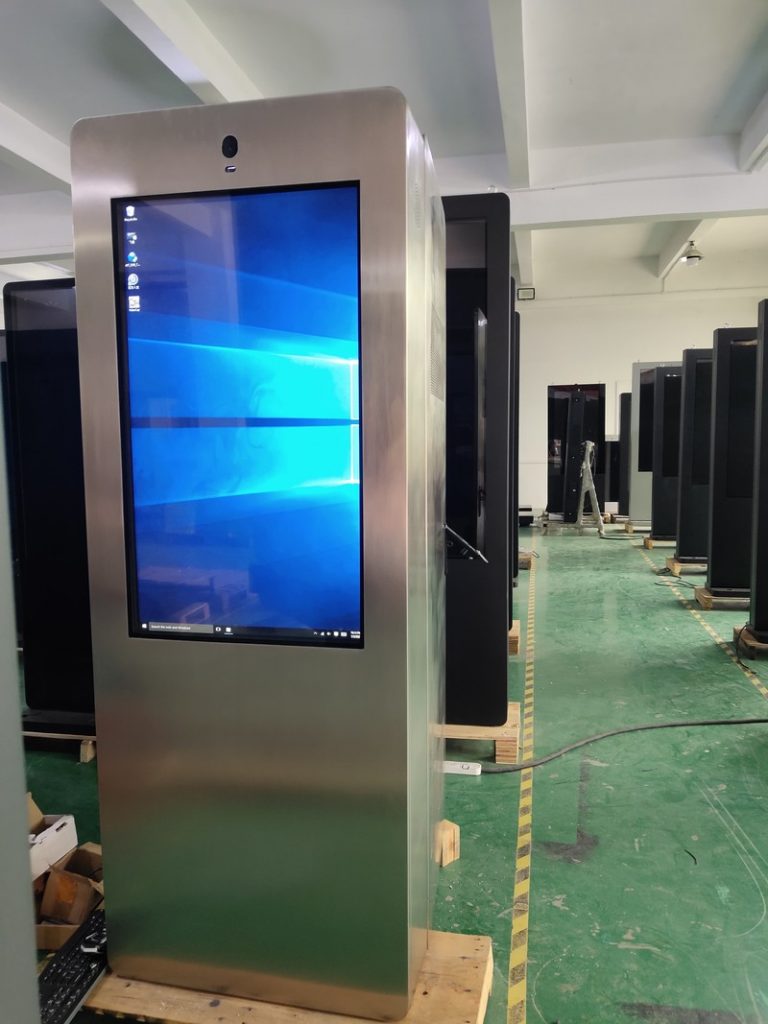
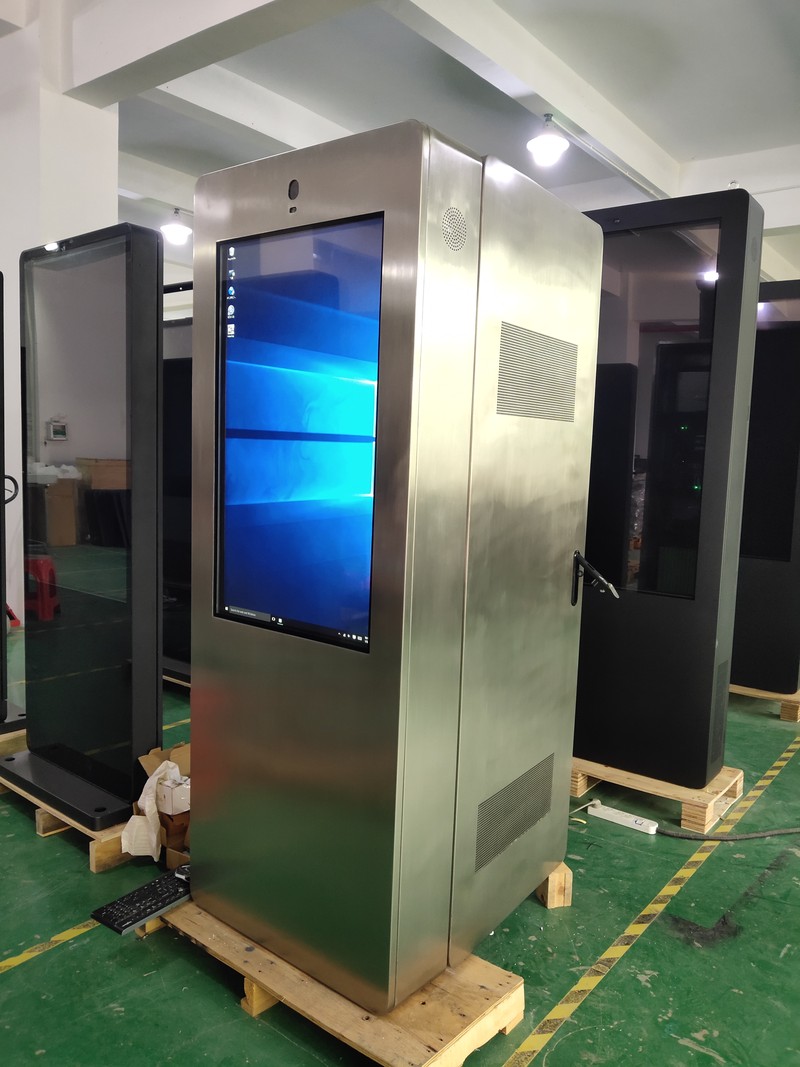
Material selection is often reduced to a single line on a quotation, but the finished cabinet tells a more complicated story. This 43-inch portrait project uses a stainless-steel structure for a floor-standing outdoor digital signage kiosk. ZXT LCD treats the material, surface finish, door construction, welding, internal layout and anchoring as connected manufacturing decisions rather than isolated specifications.
The portrait format is familiar to viewers because it resembles a full-height poster. It can carry advertising, visitor guidance, property information or scheduled public messages. The floor-standing enclosure positions that content independently of an existing wall, which is useful at entrances, walkways and open commercial areas.
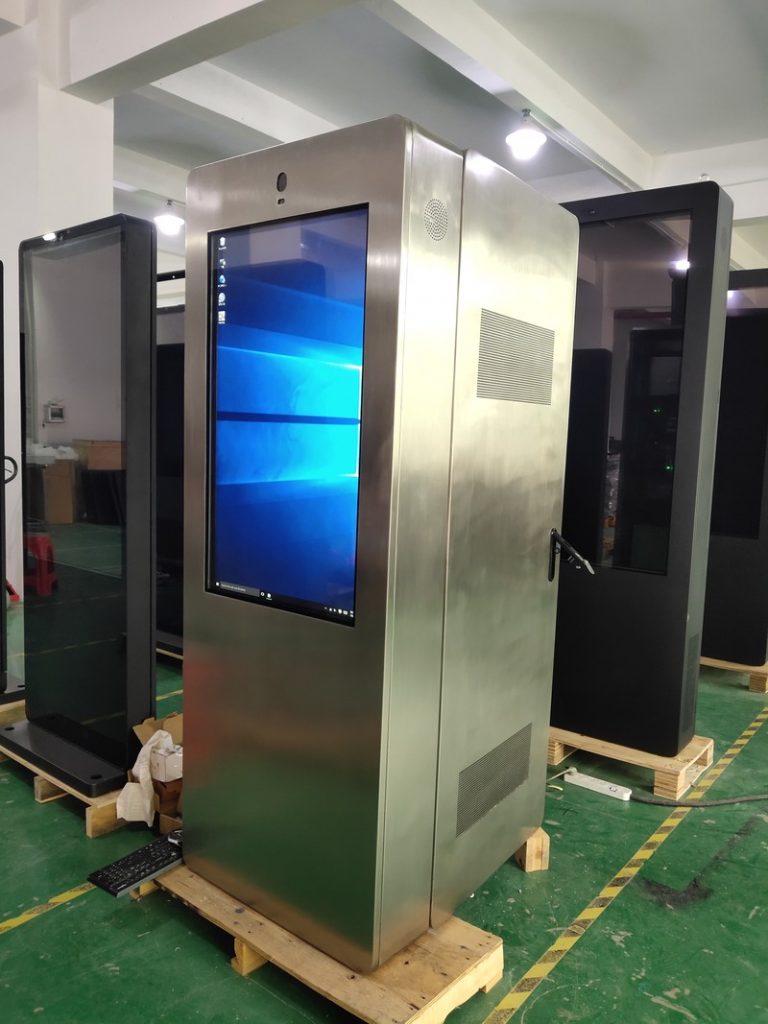
Stainless steel can support projects that prioritise corrosion resistance, structural durability or a particular surface appearance. The exact grade and finish should be confirmed according to the installation environment and budget. Simply writing “stainless steel” does not define how the cabinet will perform in every coastal, industrial or high-humidity location.
The buyer should explain exposure to salt air, cleaning chemicals, road spray and other local conditions. ZXT LCD can then discuss material and surface-treatment options. Fasteners, hinges and other small components also matter; combining incompatible materials can create maintenance problems even when the main panels are stainless steel.
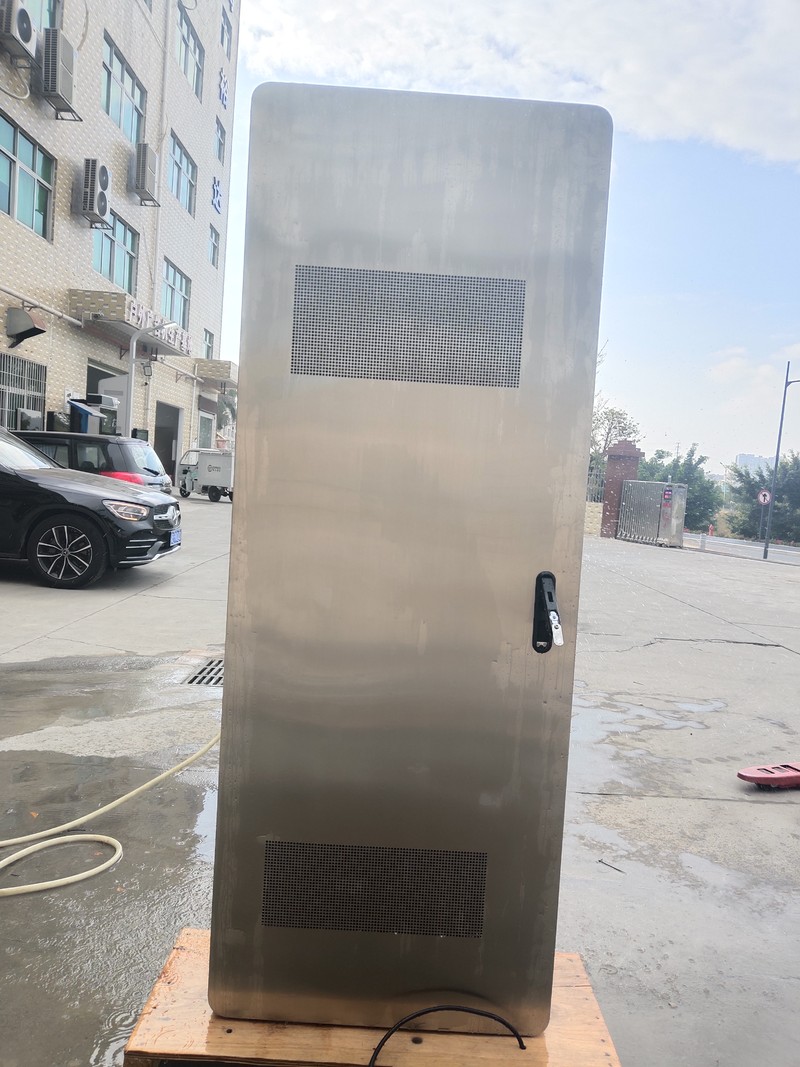
Long seams, corners and door gaps remain visible on a portrait cabinet. Welding and finishing need consistent control so the enclosure looks appropriate in a customer-facing location. The production team checks external panels, edges, openings and door fit before the LCD and electronics are fully installed.
A brushed, painted or otherwise treated surface will reflect light differently. Colour and texture should be approved with the wider site design, especially when several kiosks will be installed together.
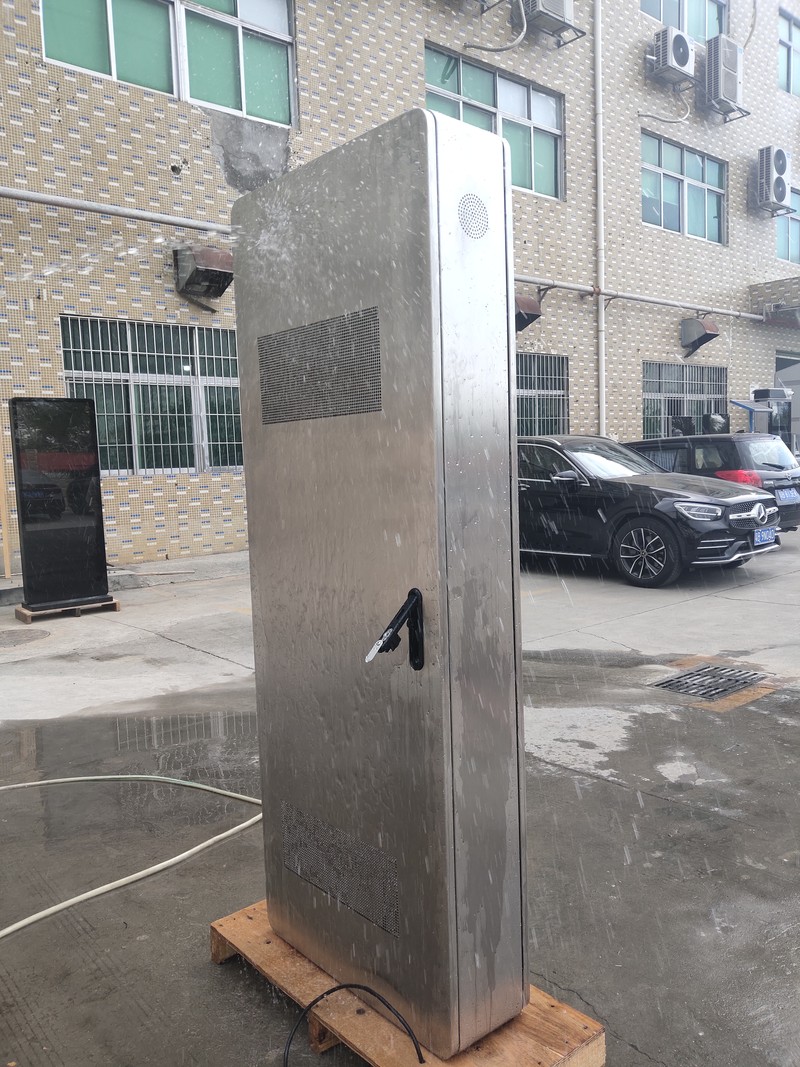
Cabinet fabrication starts with more than an external outline. The design needs internal supports for the screen, glass, player, power components and thermal system. Technicians also need a practical route to reach these parts after the kiosk has been anchored.
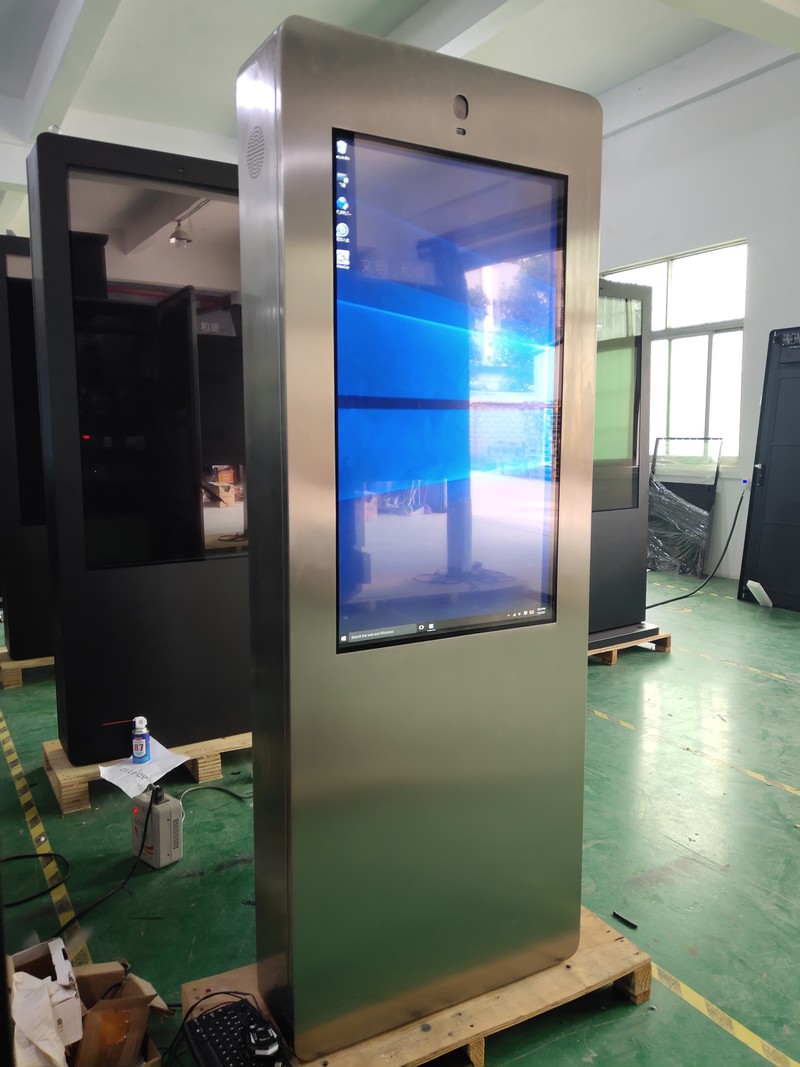
ZXT LCD reviews door opening, lock position, cable entry and ventilation during assembly. A service door should not be obstructed by nearby landscaping, a wall or another kiosk. The installation plan should preserve working space and allow safe isolation of power before maintenance.
A 43-inch vertical screen supports strong campaign imagery, directories and sequential information. It should not simply show a landscape video rotated or surrounded by empty space. Content creators need the confirmed pixel orientation and expected eye level.
For passers-by, one strong headline and a clear visual are often enough. At a visitor information point where people stop, the playlist can include more detailed instructions. The distance and dwell time determine font size, pacing and the amount of information on each frame.
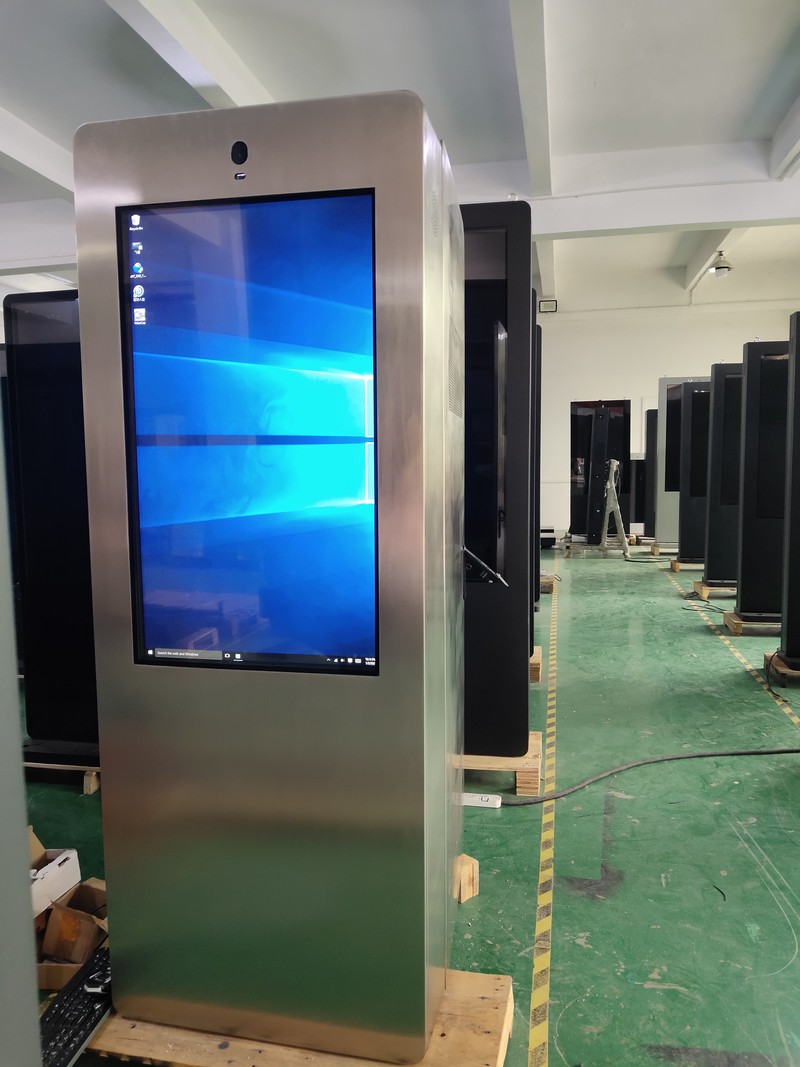
The installed LCD is powered to check image orientation, visible-area alignment and playback. ZXT LCD also reviews the components included in the approved configuration, which may include a media player, network connection, speakers or other options.
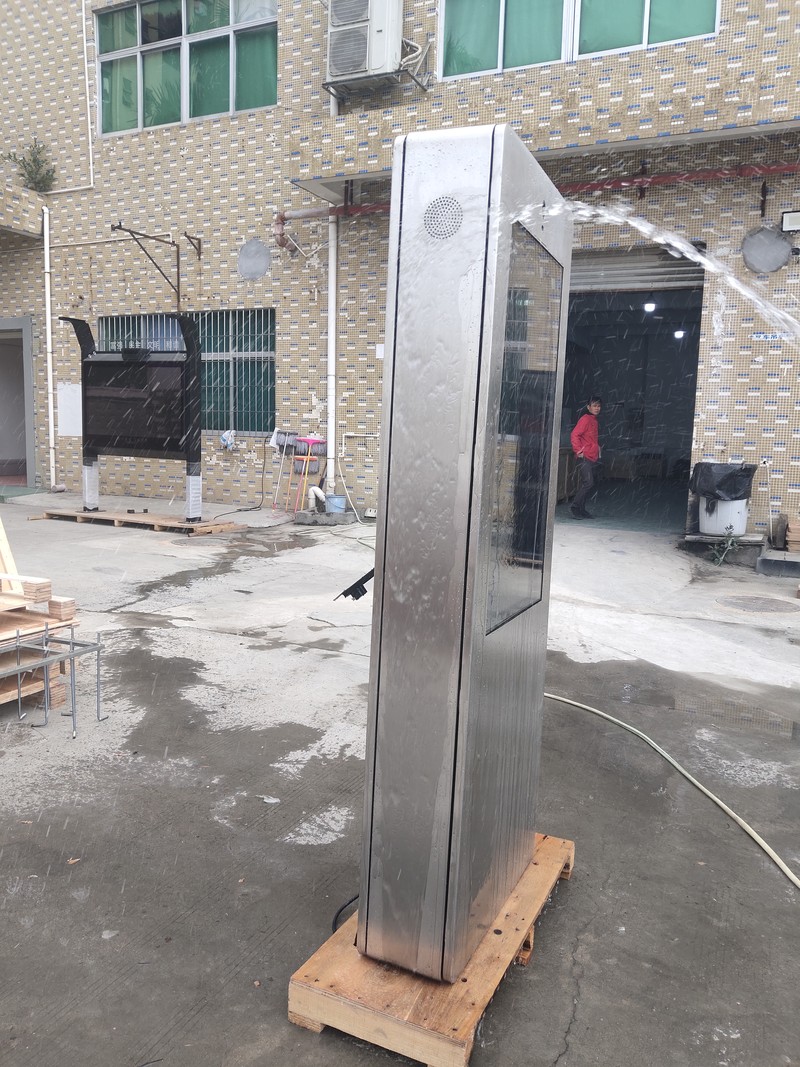
Optional functions must be stated explicitly. A touchscreen, camera, sensor or computer is not automatically included because the cabinet has space for it. Confirming these items before metal fabrication avoids late changes to openings and internal brackets.
Solar load and ambient temperature can raise internal cabinet temperature even when the air feels moderate. The thermal method should be selected from screen brightness, operating schedule, component output, enclosure volume and local climate. ZXT LCD requests this information before finalising the build.
Filters, fans or air-conditioning components also create maintenance obligations. The operator should understand how often parts need inspection and how technicians will reach them after installation.
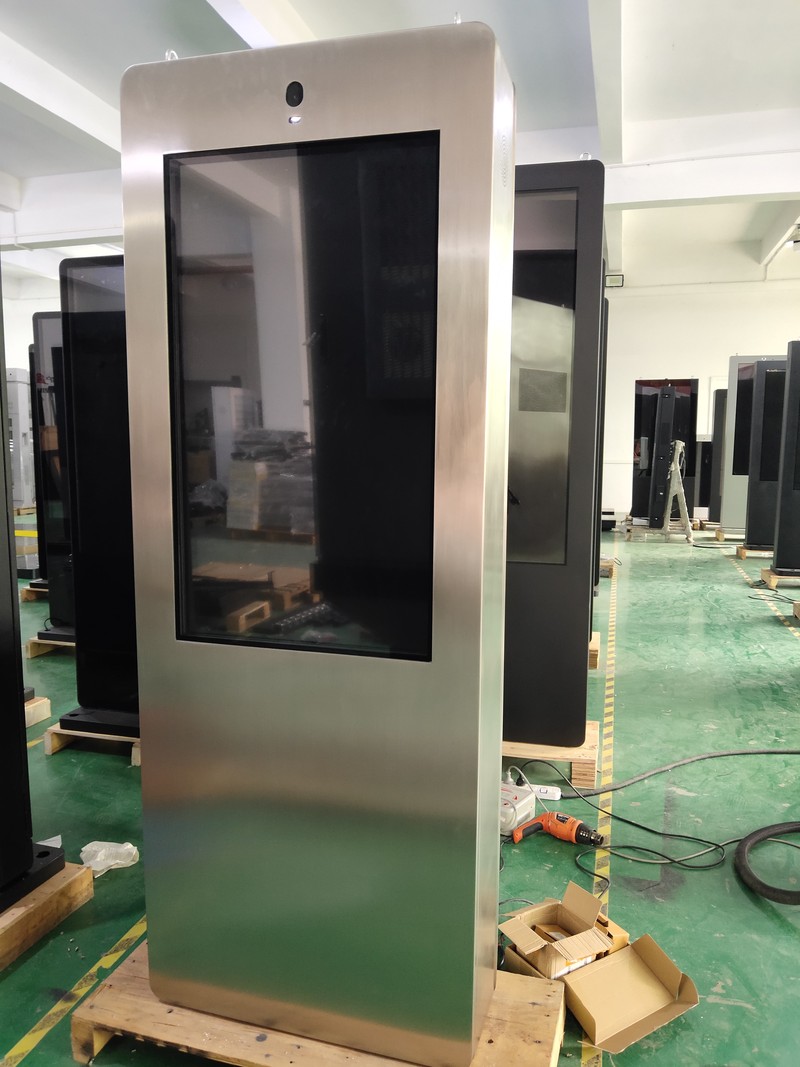
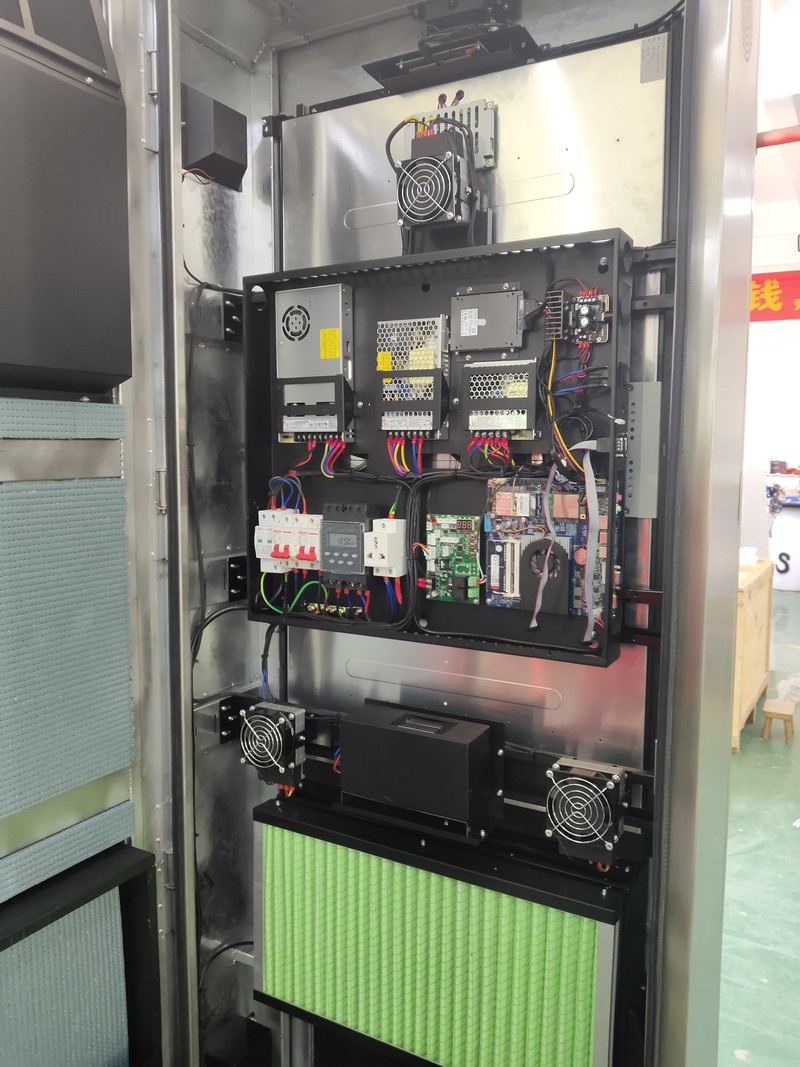
A floor-standing cabinet should be treated as permanently installed equipment. The base plate, anchor pattern, foundation, underground cable route and drainage area must be coordinated. Local structural professionals should confirm the foundation and fixings for wind and site conditions.
Power and data should enter through a protected route. Loose external cables create hazards and can compromise environmental protection. The design should also prevent standing water from collecting around an unsuitable cable opening.
Final checks cover the screen, playback, cabinet appearance, locks, access panels, base and included accessories. Surfaces are cleaned and protected for transport. Packing should reflect the kiosk weight, shipping method and handling plan rather than using a generic carton intended for an indoor monitor.
For repeat orders, the approved sample becomes the reference for colour, logo, screen position, door arrangement and software configuration. Recording these details supports consistency across a larger deployment.
Send the required quantity, destination environment, site photographs, sunlight exposure, operating hours, installation drawing, preferred material finish and content management method. Identify every optional device and explain how technicians will access the rear or side of the cabinet.
ZXT LCD can use that information to review the complete outdoor digital signage kiosk rather than quoting a screen in isolation. More floor-standing and wall-mounted options are available in our outdoor LCD product range.
The strength of this 43-inch project lies in the relationship between material, fabrication and service. Stainless steel can be a valuable foundation, but long-term performance still depends on correct detailing, environmental review and disciplined manufacturing.