Phone:
+8618098949445
Physical address:
604, Building 1, Sanyu Industrial Park, Xinwei Fourth Industrial Zone, Xinzhuang Community, Majan Street, Guangming District, Shenzhen

Phone:
+8618098949445
Physical address:
604, Building 1, Sanyu Industrial Park, Xinwei Fourth Industrial Zone, Xinzhuang Community, Majan Street, Guangming District, Shenzhen

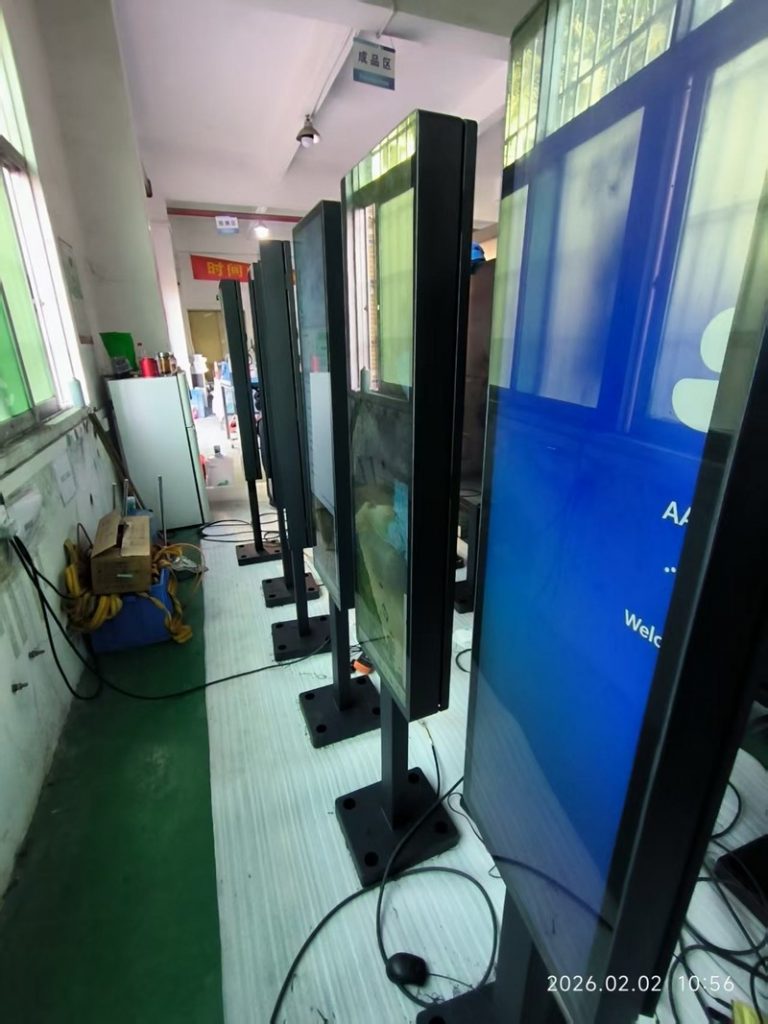
Most digital signage content starts with a familiar 16:9 rectangle. A 43.9-inch bar-shaped screen changes the design problem completely. Its long horizontal canvas can fit above an entrance, along a platform, across a service counter or within an architectural band where a conventional monitor would look oversized. ZXT LCD approaches this product as a purpose-built stretched bar LCD display, not as a standard image squeezed into an unusual frame.
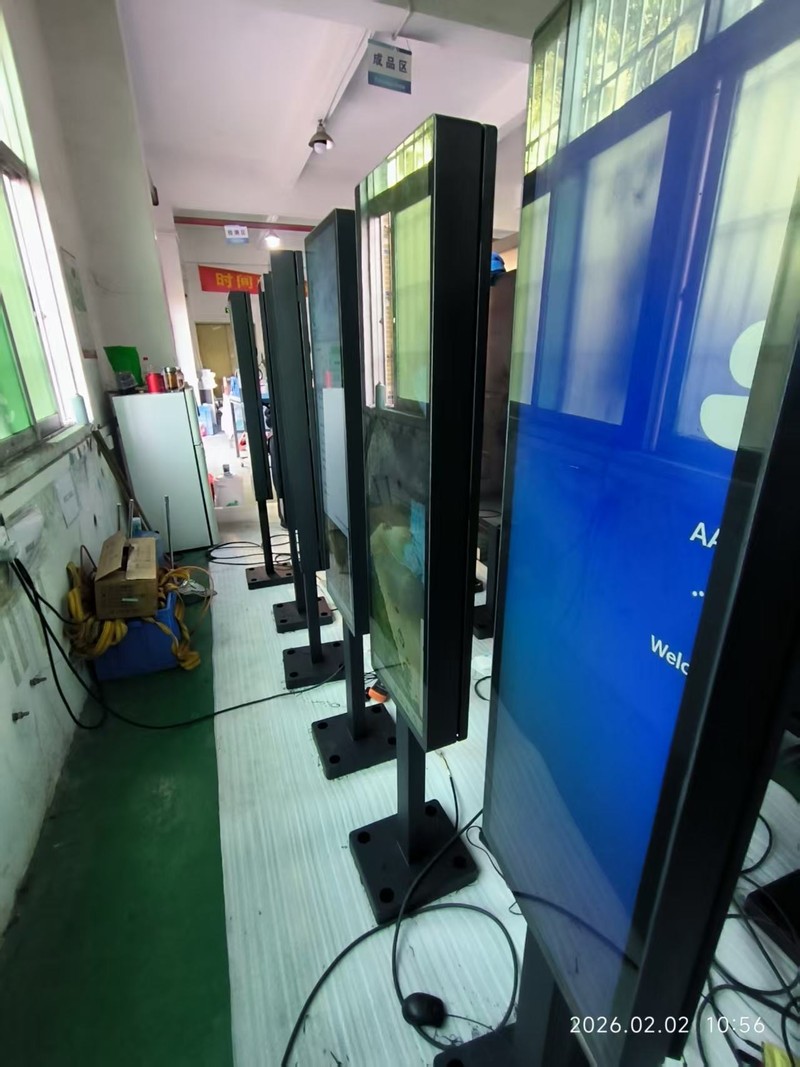
The outdoor version adds another layer of planning. Panel geometry, enclosure strength, sunlight direction, heat distribution and cable routing all behave differently in a long, narrow cabinet. The content and hardware should therefore be reviewed together from the beginning.
The format works best when information naturally travels from one side to the other. A transport operator can show route direction, next-stop information and service notices in separate zones. A commercial property can combine a tenant name, directional arrow and current promotion. A restaurant or venue can present a headline with a sequence of products without occupying the height of a normal poster display.
What does not work well is placing a complete 16:9 video in the centre and leaving large unused areas. Cropping can remove important subjects, while stretching distorts people and products. Native ultra-wide artwork should be prepared for the actual pixel canvas confirmed for the panel.
A long screen tempts designers to add too many messages. Viewers still have limited attention, especially when walking or travelling. The most important information should have a stable location, and animation should support rather than interrupt reading. Directional arrows, times and warnings require stronger priority than decorative motion.
Before production, the buyer should provide sample content or a wireframe. ZXT LCD can confirm image orientation and playback behaviour during factory testing, but the project owner remains responsible for final messaging, fonts and brand assets.
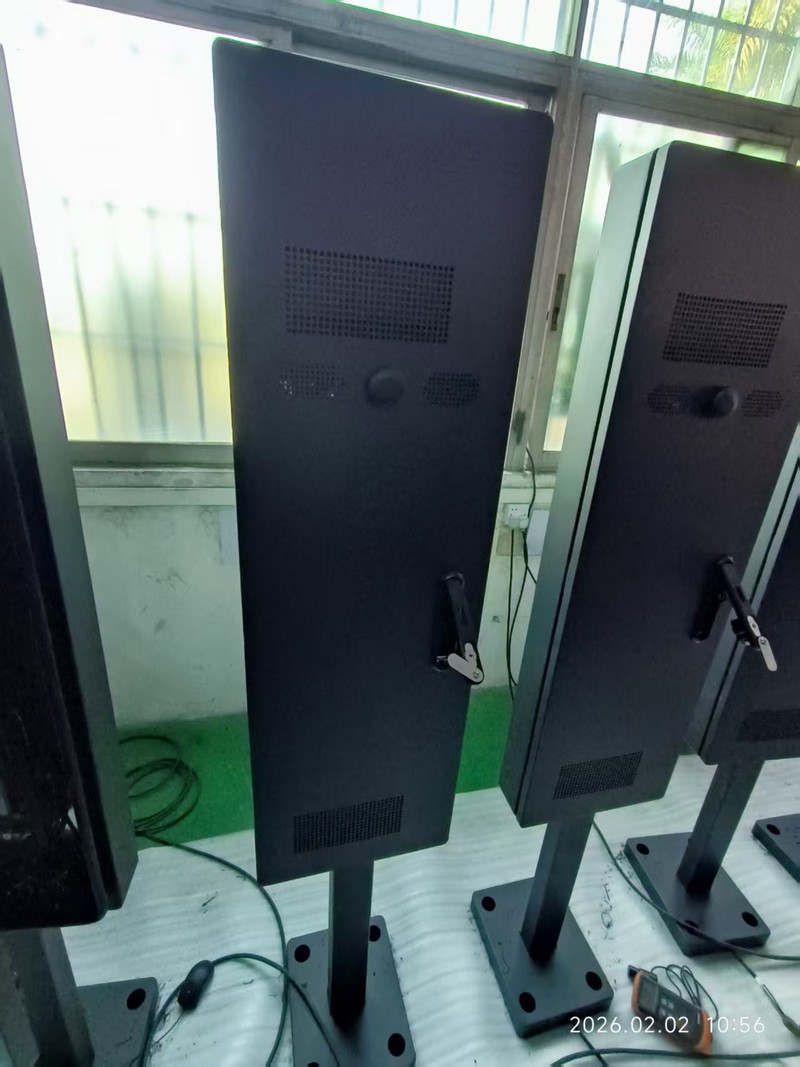
A bar display distributes its weight and internal components across an extended width. The enclosure must keep the visible opening aligned while allowing for mounting, ventilation and service. Metalwork distortion that might be less obvious on a small conventional cabinet can become noticeable along a long straight edge.
During fabrication, ZXT LCD reviews the cabinet dimensions, panel support, access cover, glass relationship and mounting points. Internal cables need secure routing so they do not sag across hot components or become trapped when the enclosure is closed.
Although many bar screens are used horizontally, a vertical installation can support floor directories, queue numbers or architectural columns. Orientation must be confirmed before the mounting and content are finalised. Drainage, ventilation and service-door behaviour may also change when the cabinet rotates.
The installation drawing should state the final orientation rather than relying on a product photograph. If the screen will be integrated into a larger structure, the fabricator should provide the opening, depth, airflow and access details.
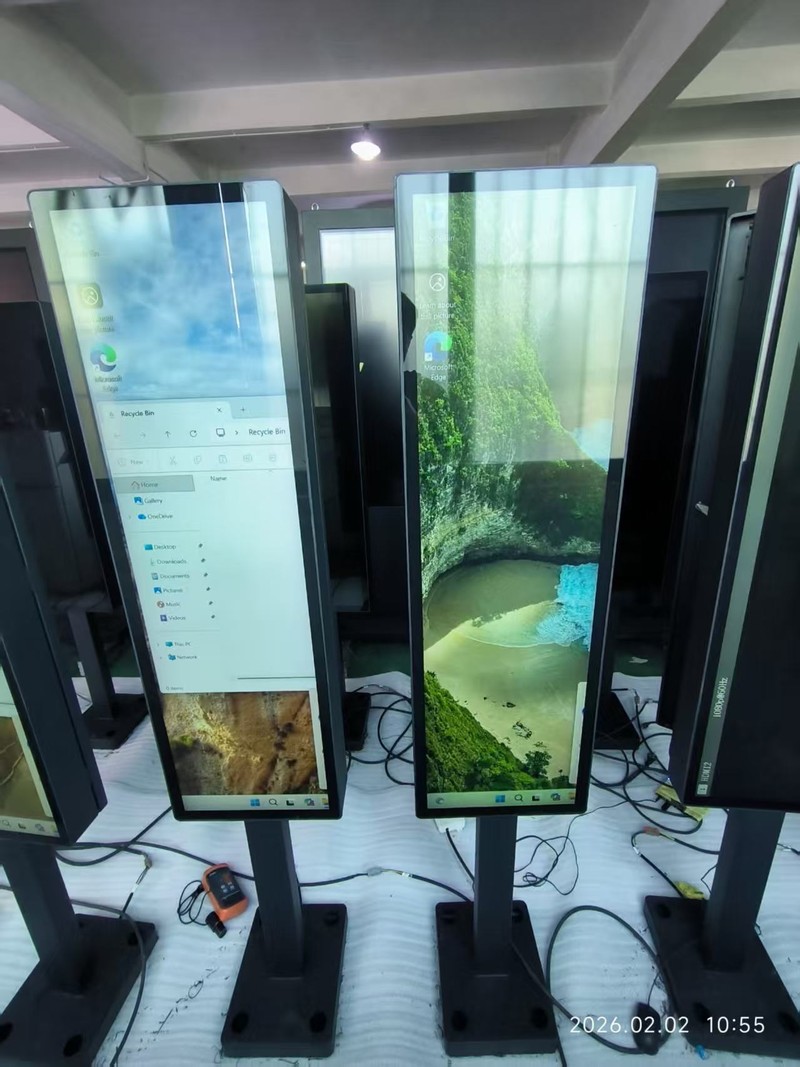
A power-on image proves only that the panel illuminates. Factory checks also need to consider whether the media player outputs the correct resolution, whether the content fills the native canvas, and whether text and lines appear in the intended position. ZXT LCD tests screen startup, orientation, playback and visible-area alignment according to the agreed configuration.
For network-managed projects, the selected player and software method should be confirmed before shipment. Some buyers need only scheduled local playback; others require remote campaign publishing across several locations. Connectivity and software should be selected around the operator’s workflow.
A bar screen installed under a station canopy experiences a different environment from one exposed on a building exterior. Sunlight, rain direction, dust, humidity, operating hours and temperature range influence brightness, sealing and thermal management. The project specification should document those conditions instead of relying on the word “outdoor.”
Cleaning is another practical issue. A long glass surface may collect water marks and dust along its lower edge. The installation should allow safe access without requiring staff to stand in traffic or remove surrounding architectural panels.
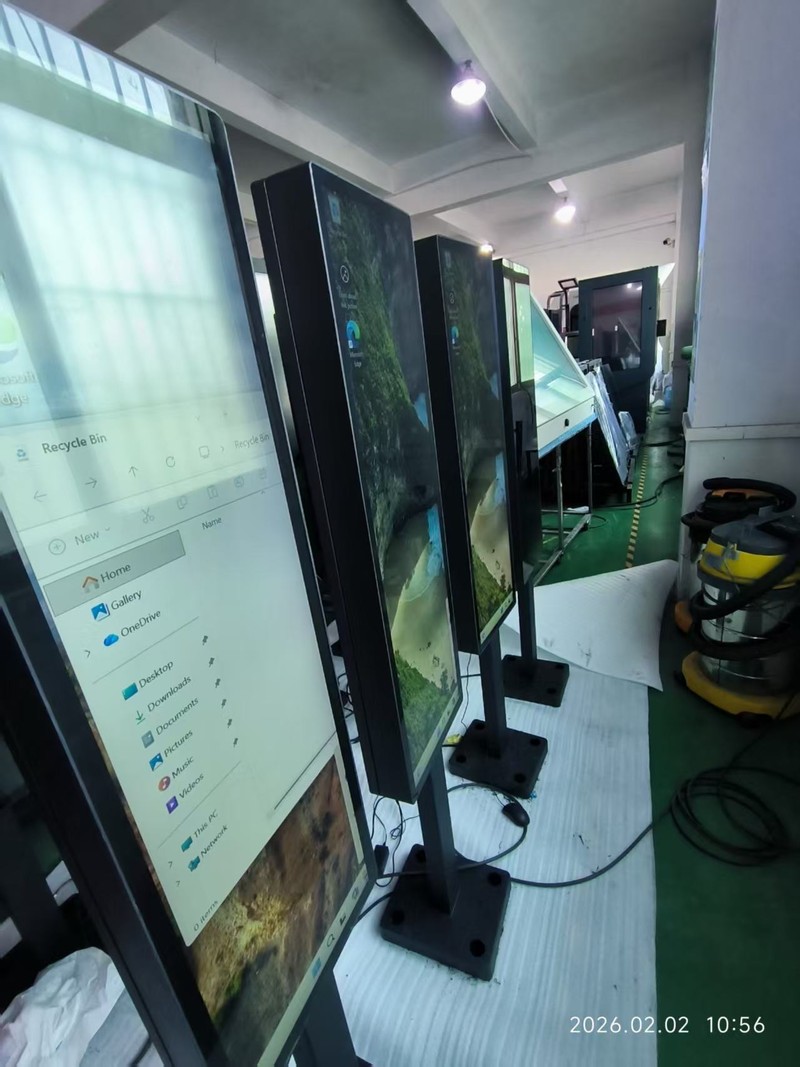
Suitable projects can include transport information, parking guidance, venue entrances, petrol-station messaging, building directories, drive-through lane instructions and retail façade bands. The format is especially useful where vertical space is restricted but a message needs to extend across a wider field of view.
It should not be selected merely because it looks different. If the content depends on tall portraits, large menus or detailed maps, a conventional display may communicate more effectively. The bar format earns its place when the installation and information are genuinely linear.
Provide the installation drawing, orientation, viewing distance, sunlight direction, required active area, operating hours and local climate. Include a sample of the intended ultra-wide content and identify whether playback will be local or network-managed. If the unit will be built into another structure, show the surrounding opening and service path.
ZXT LCD can then review the panel, enclosure, player and mounting as a coordinated product. Buyers can compare other shapes and sizes in our outdoor LCD display collection.
A successful stretched bar LCD display uses its unusual proportion to simplify communication. When content is designed natively and the enclosure is engineered for the real site, the 43.9-inch format becomes a practical architectural display rather than a novelty screen.