Phone:
+8618098949445
Physical address:
604, Building 1, Sanyu Industrial Park, Xinwei Fourth Industrial Zone, Xinzhuang Community, Majan Street, Guangming District, Shenzhen

Phone:
+8618098949445
Physical address:
604, Building 1, Sanyu Industrial Park, Xinwei Fourth Industrial Zone, Xinzhuang Community, Majan Street, Guangming District, Shenzhen

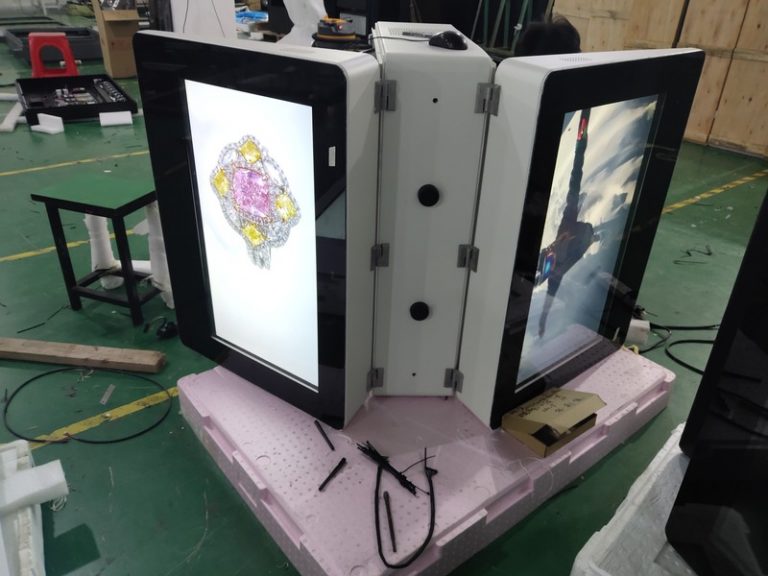
Outdoor communication does not always have room for a freestanding kiosk. Narrow pavements, building entrances, ticket windows and service façades may need digital content while keeping the floor completely clear. This 32-inch dual-screen wall-mounted project was developed by ZXT LCD for that type of constraint. The resulting outdoor digital signage display uses the wall as its support and provides two LCD faces for viewers approaching from different directions.
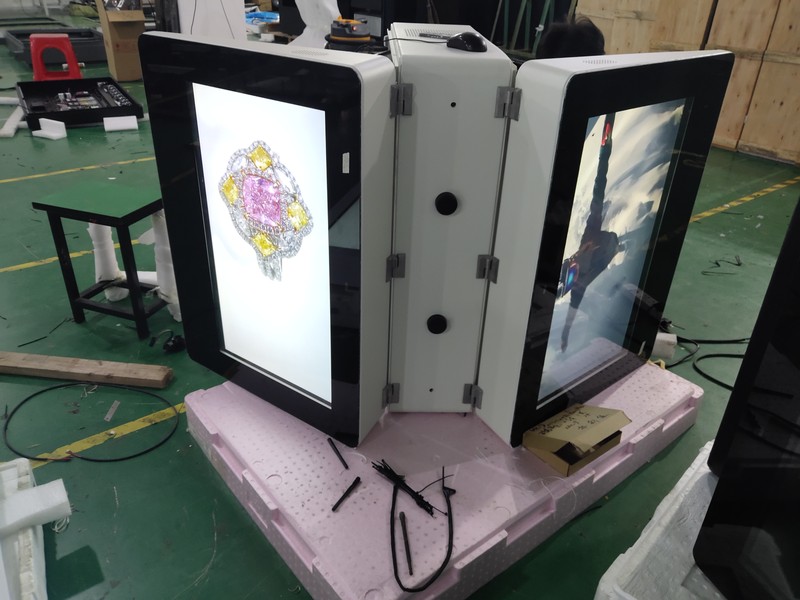
The unusual value of the product is not simply that it has two screens. Its value comes from placing those screens where people can see them without adding a base to the pedestrian route. The cabinet, bracket, cable entry and service access must therefore be treated as one installation system.
Before choosing brightness, operating system or player storage, the project team should examine the mounting surface. Wall material, available fixing depth, surrounding doors, canopy position and maintenance clearance affect whether the proposed installation is practical. A drawing of the display alone cannot confirm that the building can support it.
ZXT LCD asks buyers to provide wall photographs and dimensions, expected mounting height and the direction of pedestrian traffic. If one display face projects away from the wall, wind load and structural leverage also need professional review. Final anchors and structural calculations should follow local requirements and be approved for the actual site.
A dual-screen wall format can serve people approaching from the left and right along a building line. It may also support one public-facing screen and one service-facing screen. The content can be mirrored for consistent advertising or separated when the control architecture supports independent playback.
That decision affects the player configuration and campaign workflow. It should be confirmed before production, together with landscape or portrait orientation, startup schedule and network method.
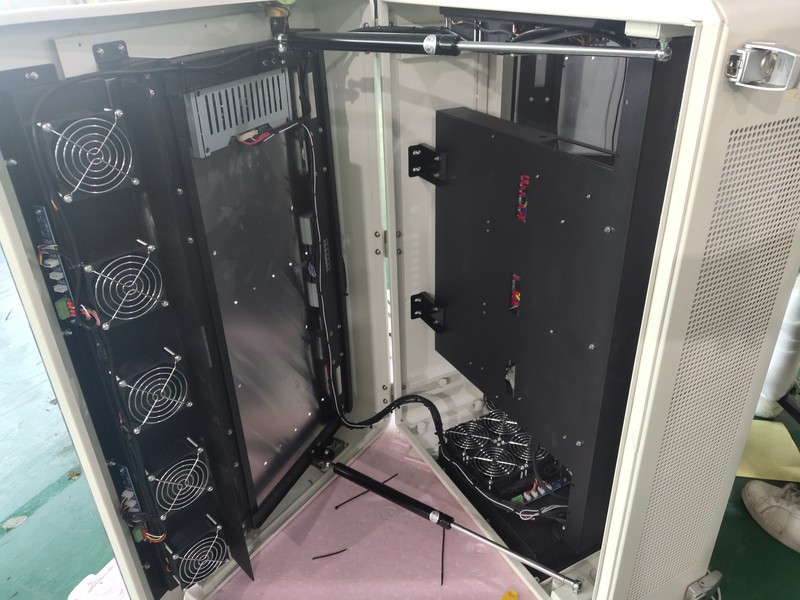
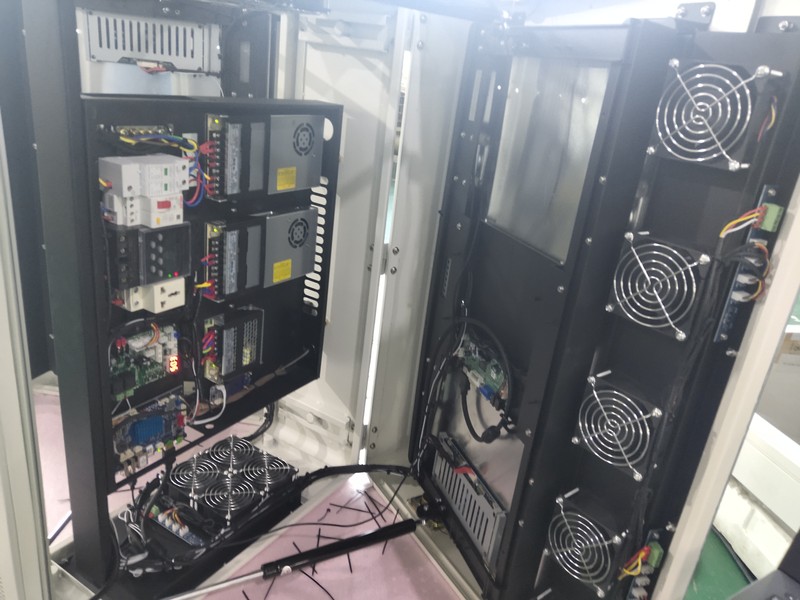
A slim-looking enclosure can become difficult to maintain if doors, filters or cable connections are blocked by the wall. Service planning is therefore part of the cabinet design. Technicians need a safe way to reach the components most likely to require inspection without removing the entire structure whenever possible.
The side profile also affects nearby pedestrian clearance. Handles, hinges, locks and ventilation openings should not create unnecessary projections into a walkway. Water should not be directed toward an unprotected cable route, and the mounting interface must not create a path that compromises the enclosure.
A screen beneath a shaded canopy does not face the same optical conditions as a screen aimed toward afternoon sunlight. The buyer should identify compass orientation, seasonal sunlight and expected viewing distance. ZXT LCD can then discuss brightness and glass options based on the location rather than applying a single number to every project.
Content design remains important even with a high-brightness panel. Strong contrast, short headlines and uncluttered images help viewers understand a message while walking. A 32-inch area should not be filled with desktop-sized text or a complex brochure layout.
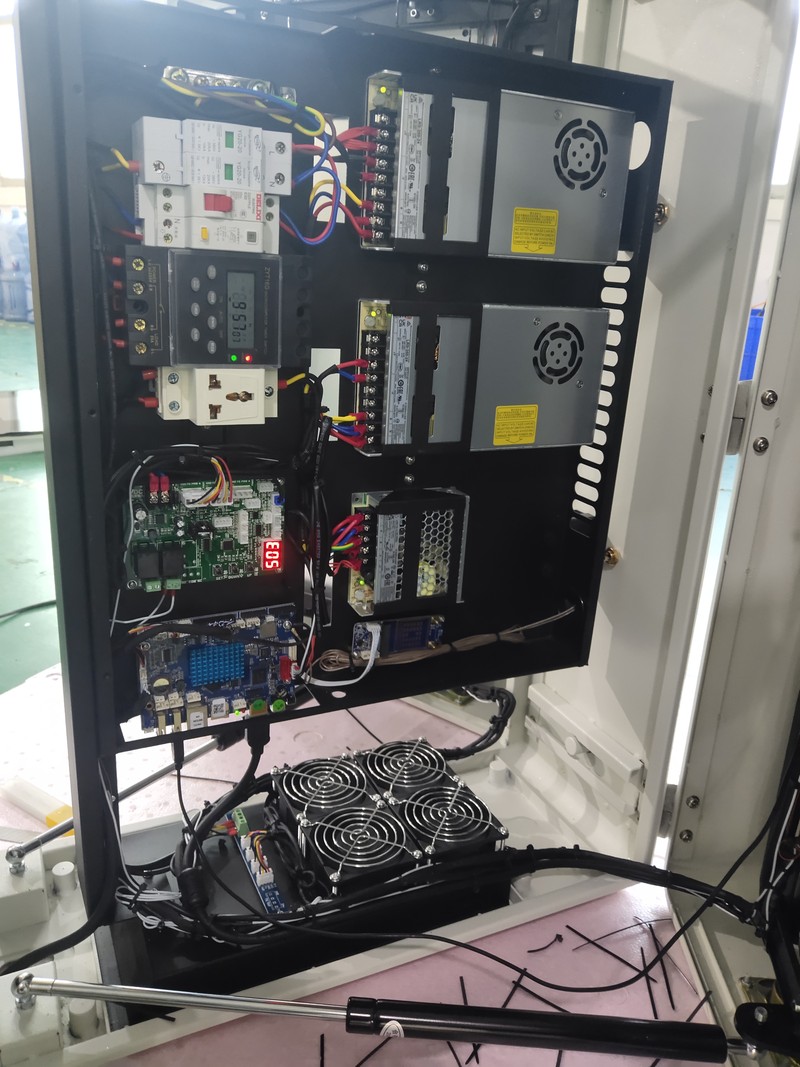
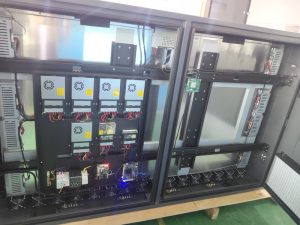
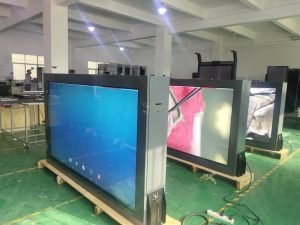
During production, both LCD modules are installed and powered. ZXT LCD checks image orientation, visible-area position, basic playback and cabinet alignment. Internal power distribution and signal connections are reviewed according to the confirmed configuration.
Because two screens share one structure, the thermal arrangement needs attention. Ventilation and cooling choices depend on panel output, enclosure volume, sunlight and ambient temperature. The final method must be confirmed from the project requirements; photographs of a cabinet cannot establish its suitability for every climate.
When several units will be installed on similar façades, bracket position and cable entry should be standardised. A site survey template can help each installer record wall dimensions, power location, network access and clearance. That reduces last-minute changes during rollout.
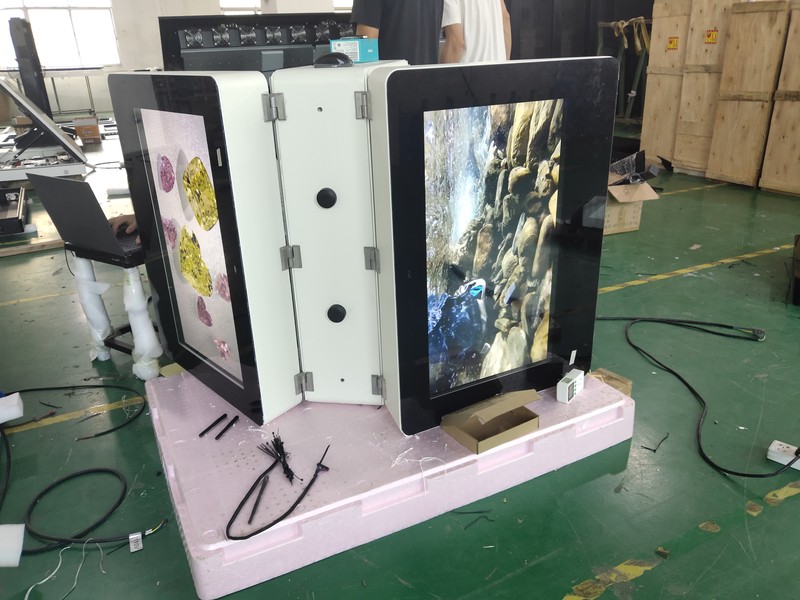
The approved sample should also establish colour, logo placement, screen direction and software settings. ZXT LCD records these decisions before repeat production so subsequent units follow the agreed configuration.
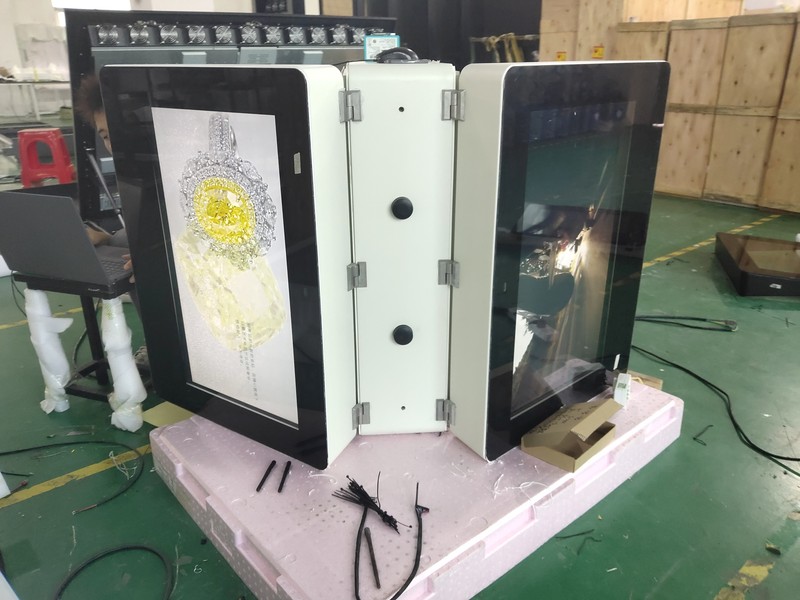
Potential locations include restaurant collection windows, transport entrances, visitor centres, stadium service points, retail façades and sheltered outdoor corridors. The installation environment still determines the required construction. A semi-covered wall should not automatically be treated as fully protected, and an exposed coastal site may need additional material and surface-treatment review.
The dual-screen format is most useful when both faces have a clear audience. If the second screen points toward a blank wall or an area without traffic, a single-screen unit may be more economical and easier to maintain. Product selection should follow the communication task rather than the desire to add more screens.
Provide wall photographs, mounting height, viewing directions, expected sunlight, local climate, operating hours, screen orientation and required content method. Include information about access behind or beside the unit and state whether the two screens require matched or independent playback.
ZXT LCD will review the enclosure, mounting relationship, LCD configuration and media system together. Related formats are available through our outdoor LCD product range.
A successful outdoor digital signage display is not created by attaching an indoor monitor to a bracket. The wall, weather exposure, service route and audience direction all influence the final structure. By solving those points before fabrication, this compact dual-screen outdoor digital signage display can add two-way visibility while preserving valuable ground space.