Phone:
+8618098949445
Physical address:
604, Building 1, Sanyu Industrial Park, Xinwei Fourth Industrial Zone, Xinzhuang Community, Majan Street, Guangming District, Shenzhen

Phone:
+8618098949445
Physical address:
604, Building 1, Sanyu Industrial Park, Xinwei Fourth Industrial Zone, Xinzhuang Community, Majan Street, Guangming District, Shenzhen

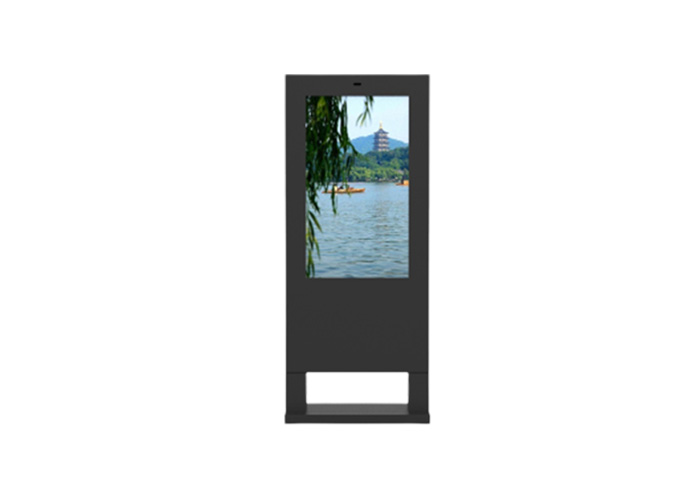
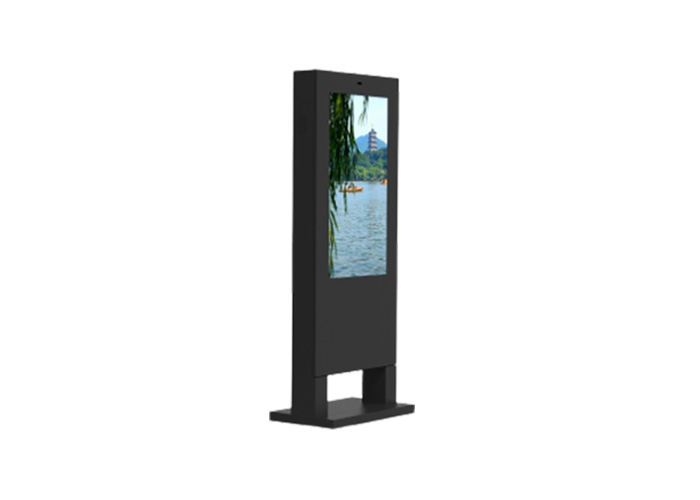
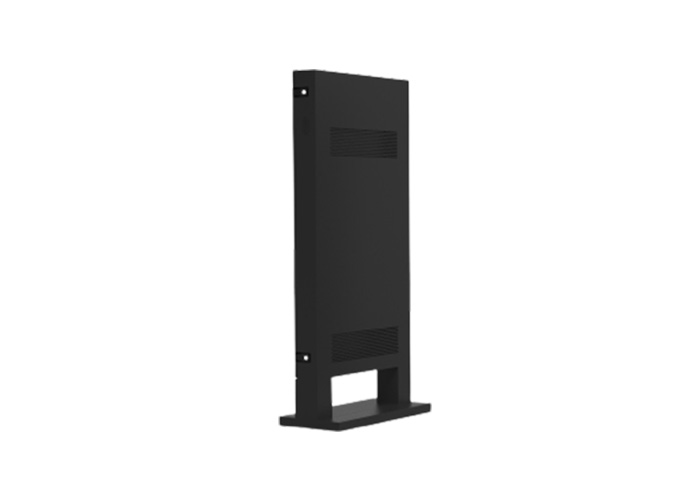
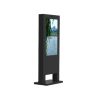
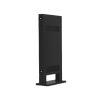
Open-air shopping areas have long operating hours and changing promotional priorities. A restaurant may advertise lunch during the afternoon, while a retailer promotes an evening event on the same pedestrian route.
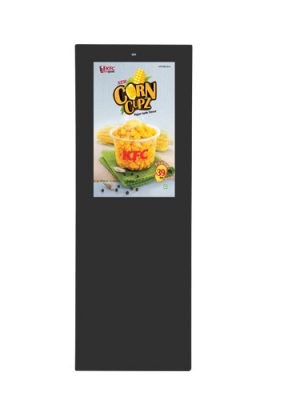
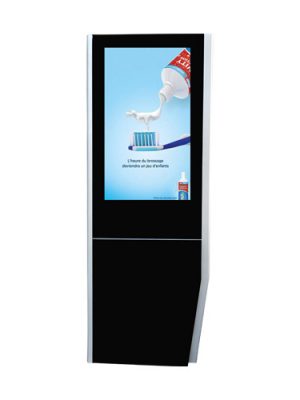
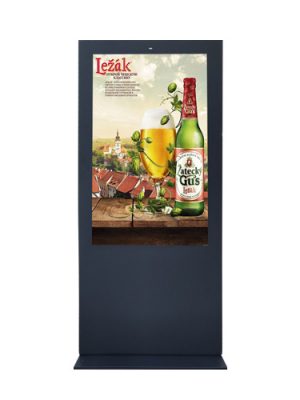
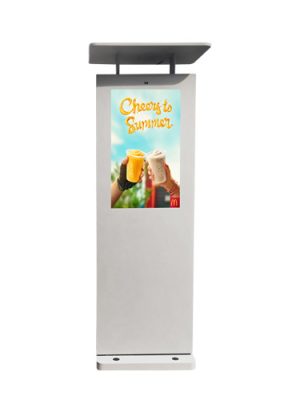
This 43-inch freestanding display is built for commercial streets, shopping plazas and mixed-use developments that need scheduled advertising in an exterior environment. Its vertical format offers more visual presence than a compact wall screen while remaining easier to position than a large-format billboard.
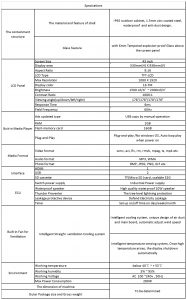
Placement should follow pedestrian behavior. A display located near an entrance can introduce the businesses inside the development. A screen placed at a junction may combine promotions with directions. Near dining areas, it can show menus, events and time-sensitive offers.
A commercial outdoor LCD display should not compete with every surrounding sign at once. Campaigns with one dominant image and a short message generally attract more attention than layouts containing several unrelated promotions.
The 43-inch screen is designed for pedestrian viewing at close to medium distance. It is not intended to replace a roadside billboard viewed from fast-moving vehicles.
Shopping developments often have multiple advertisers and limited screen time. A clear scheduling policy prevents the playlist from becoming overcrowded.
Campaigns can be divided by location, time of day and tenant category. A café promotion may appear before lunch, while entertainment content receives more exposure in the evening. Event announcements can run across all screens during selected periods.
A networked commercial outdoor LCD display allows property managers to update content remotely. Approval rules, campaign start dates and automatic expiration should be established so outdated offers do not remain online.
The enclosure finish can be coordinated with the architecture and signage system. Color customization should remain practical: ventilation, service doors and sensors must not be covered by decorative elements.
Power and network routes need to be prepared before the display arrives. The base should be fixed to a suitable foundation, with drainage and cable sealing included in the site work.
Maintenance access is especially important in a busy commercial area. Technicians should be able to open the unit safely without blocking a main entrance or removing nearby furniture.
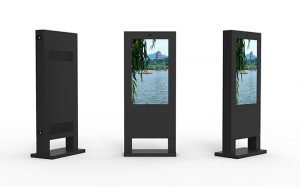
Open-air commercial streets may receive strong daylight and continue operating after dark. The display needs sufficient daytime brightness while avoiding excessive nighttime output.
Automatic brightness control can respond to ambient conditions. Content teams should also prepare versions that remain clear in both situations. Dark images that look premium indoors may lose detail during daylight, while large white areas can appear too intense at night.
Screen performance should be judged by more than the number of advertisements played. Property managers can compare campaign timing, tenant participation and customer response.
Touch, QR codes or campaign-specific offers may provide measurable interaction, but they should be easy to use and positioned at a practical height.
A commercial outdoor LCD display becomes part of the shopping environment rather than a separate electronic object. This 43-inch freestanding model supports controlled tenant advertising and location information while preserving a manageable footprint for plazas and pedestrian commercial streets.
Tell us your required screen size, quantity and application. Our team will reply within 24 hours.