Phone:
+8618098949445
Physical address:
604, Building 1, Sanyu Industrial Park, Xinwei Fourth Industrial Zone, Xinzhuang Community, Majan Street, Guangming District, Shenzhen

Phone:
+8618098949445
Physical address:
604, Building 1, Sanyu Industrial Park, Xinwei Fourth Industrial Zone, Xinzhuang Community, Majan Street, Guangming District, Shenzhen

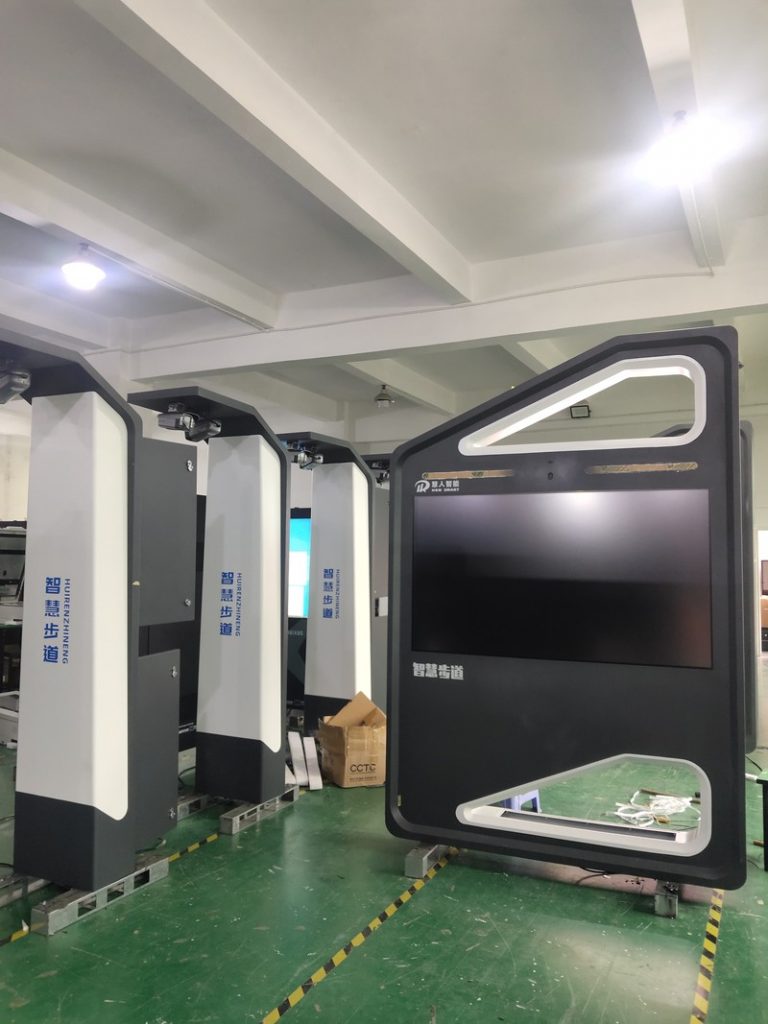
Outdoor digital signage kiosks deliver dynamic multimedia visual displays, agile cloud content updates, and interactive touch engagement, making them popular across commercial brands and municipal public services. However, with countless vendors and hardware models flooding the market, the central challenge for procurement teams is rarely ‘whether to buy,’ but rather ‘who to buy from and how to procure without getting shortchanged.’
This guide recommends no specific brand; instead, it breaks the procurement lifecycle into systematic stages, clarifying essential checkpoints at every step.
Manufacturers generally fall into three distinct categories, each with distinct strengths:
Comprehensive Multi-Line Manufacturers: Offering extensive product catalogs spanning indoor to outdoor, hardware to software. Well-suited for large-scale, multi-scenario projects requiring unified centralized fleet management. Strength: powerful end-to-end integration. Limitation: small-batch orders and bespoke customizations can face rigid minimums.
Vertical / Specialized Manufacturers: Focusing deeply on specialized niches, such as ultra-high-brightness outdoor displays or industry-specific self-service kiosks. Strength: deep understanding of operational environments and highly tailored engineering. Limitation: narrower catalog scope; non-standard requirements outside their focus require secondary sourcing.
Consumer Display Brand Extensions: Backed by established visual panel heritage. However, outdoor ingress protection, specialized digital signage CMS software, and local field servicing vary widely among brand licensees and must be verified independently rather than assumed based on consumer brand fame.
No single supplier category is inherently superior; the key is matching supplier strengths to project scope. For focused requirements with modest unit counts, specialized manufacturers are often the best fit; for sprawling multi-city enterprise rollouts, comprehensive manufacturers reduce coordination overhead.
Prior to contacting vendors, answer these project fundamentals and synthesize them onto a single-page brief:
Physical installation environment (unshaded outdoor exposure vs. sheltered semi-outdoor); local historical temperature extremes, direct solar angles, and coastal salt/rain exposure; primary operational role (brand advertising, public notices, or interactive self-service); total unit count and delivery phases; available AC power and wired/wireless network infrastructure; budget constraints and target delivery milestones; and required warranty SLA response turnaround times.
The clearer your initial brief, the more precise the suppliers’ technical proposals and itemized quotes will be, facilitating clean apples-to-apples comparison. Circulating a written brief is vastly more efficient than giving repeated verbal descriptions.
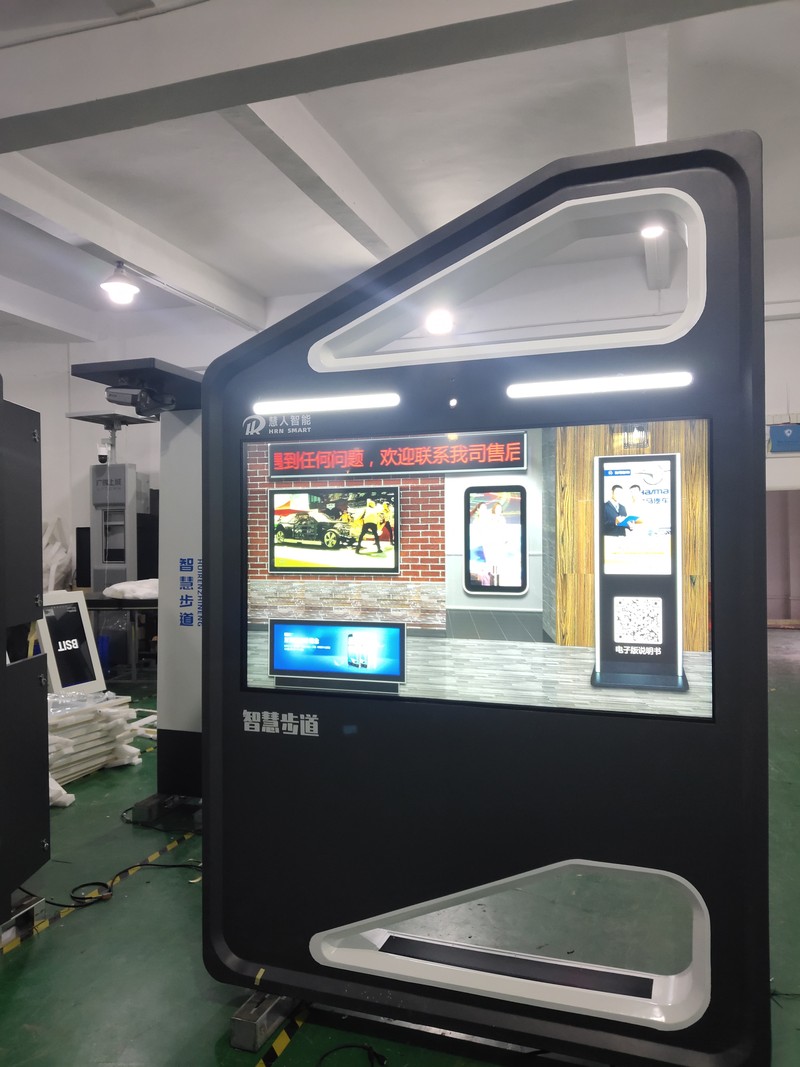
Ingress Protection: Scrutinize certified IP ratings, while verifying cable entry sealing, cooling vent baffling, and rear door gasket seals. An IP rating represents a baseline; it does not permit water submersion nor make equipment impervious to all weather.
Luminance and Adaptive Dimming: Confirm whether quoted nit ratings represent bare panel output or finished kiosk luminance through protective glass; verify automated ambient light sensors to prevent blinding nocturnal glare.
Thermal Heat Dissipation: Understand the cooling architecture (convection fans, heat exchangers, or air conditioning), rated operating temperature limits, and thermal throttling behaviors. In regions with broad temperature swings, verify low-temperature cold-boot heating and anti-condensation designs.
Structural Metallurgy and Anti-Corrosion: Verify sheet metal thickness, base alloy, and anti-corrosion powder coating. For coastal regions, request accredited salt-spray test reports.
Hardware Reliability: Inquire about mandatory factory burn-in testing, testing durations (48–72 hours), and accredited environmental test reports, matching report model numbers to quoted units.
Digital Signage Software (CMS): Verify whether the platform supports remote cloud publishing, automated daypart scheduling, power timers, multi-zone canvas partitioning, emergency alert overrides, and real-time device health telemetry. For large deployments, software capability matches hardware in importance. Confirm whether recurring software licensing fees apply.
After-Sales Support Architecture: Establish warranty duration, covered components, response turnaround times (remote vs. on-site), and spare-parts availability. Servicing outdoor displays carries significantly higher costs than indoor units, requiring detailed contractual terms.
Custom Engineering Capabilities: Inquire whether screen dimensions, enclosure colors, interface ports, and mounting brackets can be customized, and establish turnaround times and NRE tooling fees. If custom interactive software is required, confirm vendor software engineering capabilities before signing.
Request an evaluation sample unit or inspect physical installations, evaluating visual readability under daylight, structural metallurgy, and thermal cooling noise. Request documented customer deployments operating continuously for over twelve months in comparable climates, speaking directly with facility managers. Where feasible, tour manufacturing and testing facilities to verify authentic production capabilities.
Verify vendor credentials, patents, and project claims via official public registries rather than relying solely on marketing brochures.
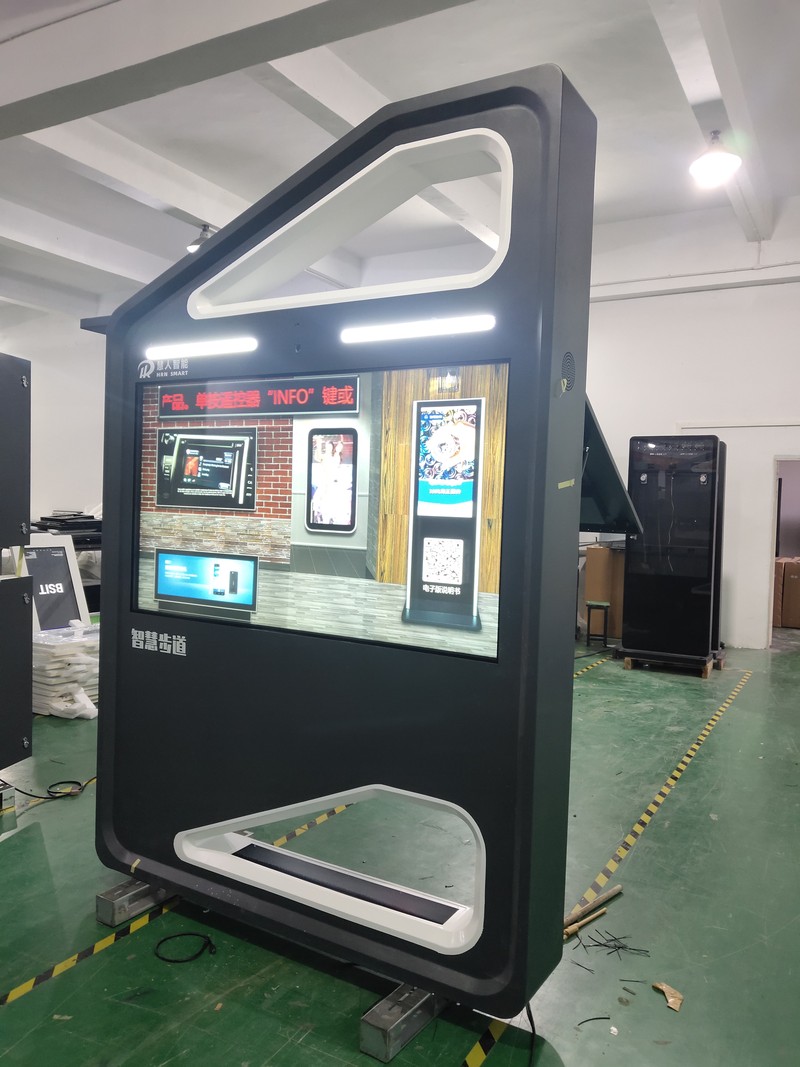
Verbal promises carry no legal weight during dispute resolution. Purchase agreements must explicitly document: detailed hardware configurations and bill of materials; key technical parameters and test standards; delivery milestones and freight transit liabilities; installation division of responsibilities; warranty duration, component coverage, and response SLAs; software licensing terms; and guaranteed spare-parts availability roadmaps.
Upon arrival, inspect exterior packaging, physical accessories, and unit counts, documenting any transit damage immediately. Post-installation, execute rigorous functional acceptance testing: screen luminance, remote cloud publishing, automated power timers, thermal cooling operation, and watertight seal integrity. Conduct an initial pilot trial across shifting weather conditions before signing final acceptance certificates.
Structural mounting, concrete foundation footings, wind-load bracing, and electrical grounding involve public safety and must be executed by certified contractors. Comply with local municipal outdoor advertising permits prior to public installation.
The true cost of outdoor digital signage extends far beyond the initial invoice. Account for: equipment purchase price, freight, civil foundation installation, electrical consumption, creative media production, routine maintenance, replacement wear parts, and lost revenue during system downtime.
Investigate quotes priced significantly below market rates: stripped cooling, lower panel grading, omitted burn-in, or expensive recurring software licenses. In outdoor environments, unreliable hardware requiring frequent field repairs quickly proves vastly more expensive over its operational lifecycle.
How can first-time buyers mitigate procurement risk? Deploy a small pilot batch to evaluate visual performance, weatherproofing, and supplier support across weather shifts before committing to full fleet rollouts, while anchoring warranty SLAs in detailed contracts.
How should buyers choose between large manufacturers and specialized boutique suppliers? Match supplier strengths to project scope. Evaluate relevant deployment experience in your specific climate, service responsiveness, custom engineering flexibility, and whether small orders receive genuine attention.
What is most frequently overlooked during final acceptance testing? Waterproof sealing around cable glands and cooling vents, and verified testing of remote cloud scheduling and automated power timers.
Is an on-site physical site survey necessary? Strongly recommended. Pre-installation surveys evaluate concrete foundation conditions, power availability, network signal strength, and solar angles, directly guiding optimal hardware selection.
Procuring outdoor digital signage requires transitioning from ‘buying a piece of hardware’ to ‘investing in a long-term reliable visual communication system’: formalize requirements on a clear brief, audit technical metrics rigorously, verify claims via sample units and client references, formalize commitments in binding contracts, and evaluate Total Cost of Ownership rather than sticker price alone.
ZXTLCD specializes in the design and manufacturing of commercial outdoor LCD display kiosks, offering freestanding pedestals, wall-mounted displays, interactive touch terminals, battery-powered mobile units, and solar-assisted models, complete with custom project engineering and factory-direct supply. If your project involves outdoor visual displays, share your screen dimensions, unit counts, and deployment scenarios with our engineering team. Official website: www.outdoorlcddisplays.com
If you are sourcing high-reliability outdoor digital signage hardware, consider these commercial specifications:
ZXTLCD provides comprehensive ODM/OEM manufacturing for outdoor displays—including sunlight-readable brightness up to 4000 nits, IP65/IP66 weatherproof enclosures, intelligent temperature management, and integrated remote CMS.