Phone:
+8618098949445
Physical address:
604, Building 1, Sanyu Industrial Park, Xinwei Fourth Industrial Zone, Xinzhuang Community, Majan Street, Guangming District, Shenzhen

Phone:
+8618098949445
Physical address:
604, Building 1, Sanyu Industrial Park, Xinwei Fourth Industrial Zone, Xinzhuang Community, Majan Street, Guangming District, Shenzhen

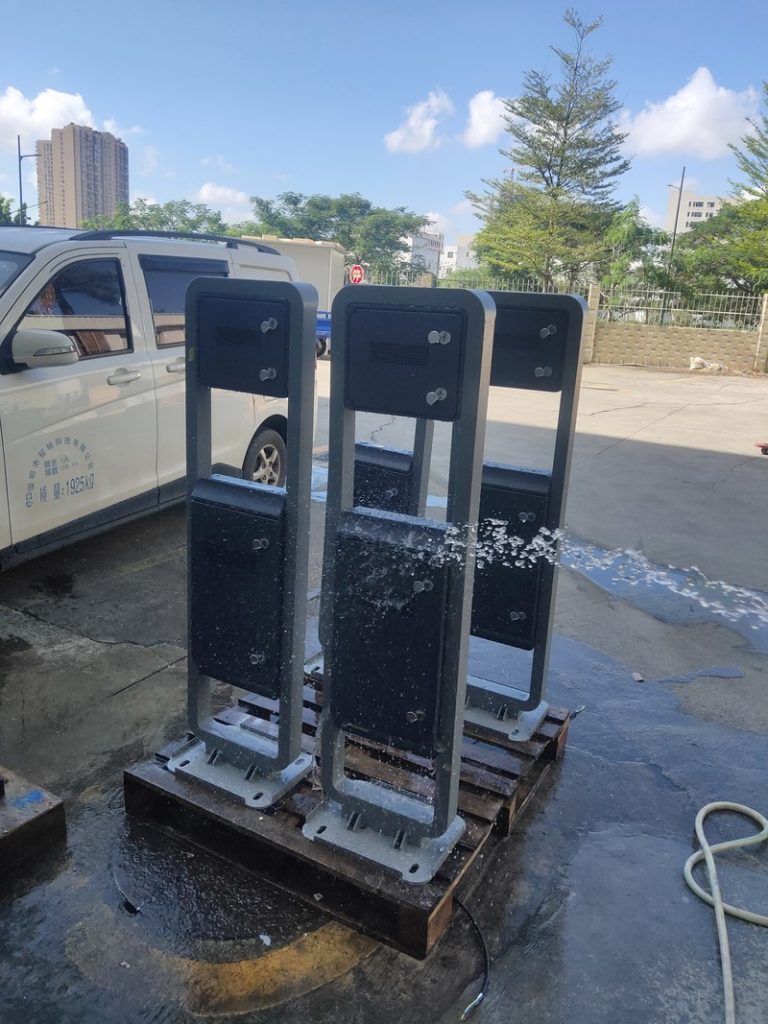
During freezing winter nights in northern regions, ambient temperatures plummet to -20°C or -30°C; in southern summer heat, sun-drenched outdoor plaza surfaces soar past 60°C. For an electronic display operating continuously around the clock in such environments, hardware resilience demands far exceed indoor standards.
Consequently, marketing materials frequently proclaim claims like ‘-30°C to 60°C Wide-Temperature Range’ or ‘All-Weather Operation.’ However, the technical engineering behind identical figures can vary vastly. Understanding what these numbers truly represent is essential prior to procurement.
Temperature parameters are frequently confused or conflated in marketing literature:
Ambient Temperature describes the temperature of surrounding outdoor air. Operating Temperature defines the external ambient temperature range in which the display can be energized and run continuously without malfunction. Storage Temperature describes the temperature thresholds the unpowered, packaged hardware can withstand in warehouse storage, which is always wider than operating limits.
Misleading marketing sometimes substitutes storage temperature for operating temperature, looking impressive on paper but failing upon real-world cold boots. Always clarify: Does this figure represent genuine continuous operating temperature or passive storage limits, and under what operational benchmarks was it measured?
In freezing sub-zero environments, displays face distinct physical challenges:
Liquid crystal molecular viscosity increases at low temperatures, causing slow pixel response times, severe motion trailing, or abnormal visual rendering. Displays encounter cold-boot failure, requiring extended pre-heating cycles or failing to power on entirely. Battery-powered units suffer steep capacity drops in freezing cold. Furthermore, thermal cycling causes condensation and internal frost, creating electrical short-circuit hazards.
Engineered low-temperature countermeasures include industrial wide-temperature electronic components, integrated heating elements, and smart pre-heat boot sequences. Authentic capability must be verified via laboratory testing rather than unverified datasheet numbers.
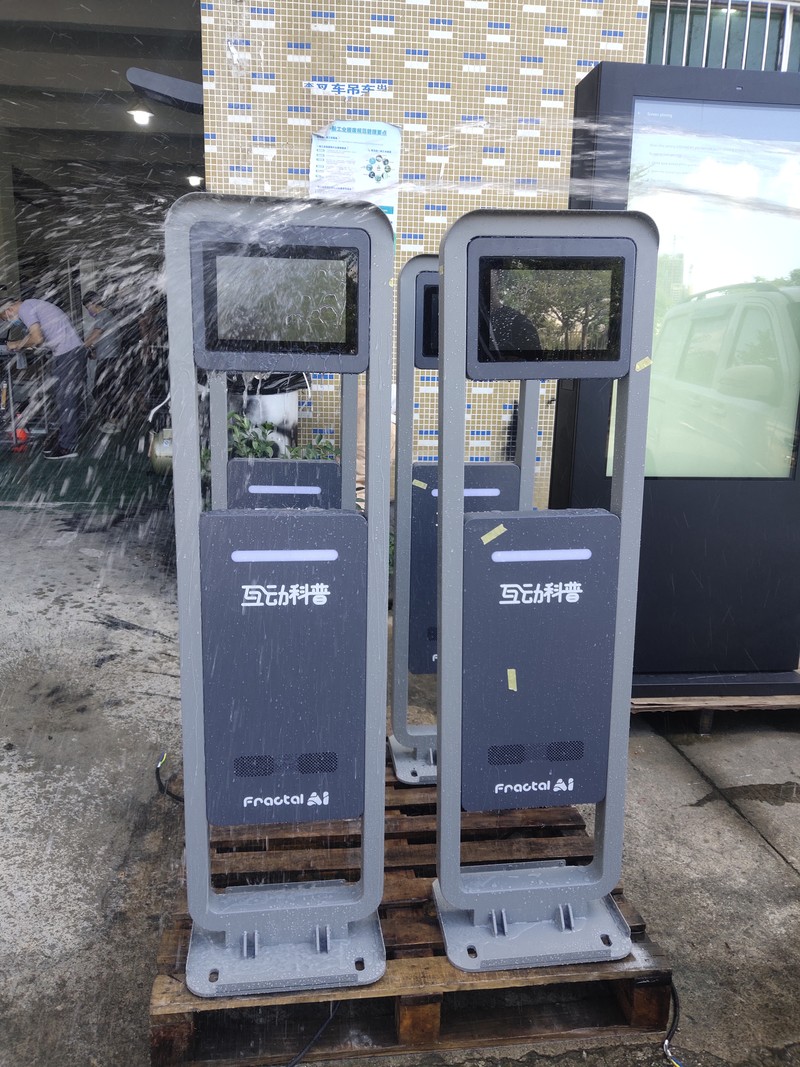
Extreme heat presents equally severe engineering hurdles:
Solar radiation and high-brightness backlights cause internal chassis temperatures to soar significantly higher than ambient air. When internal temperatures exceed component thresholds, systems trigger thermal throttling to prevent burnout—slashing brightness automatically, locking up, or forcing emergency shutdowns. Accelerated thermal aging also shortens the operational lifespans of backlights, power supplies, and motherboards.
Therefore, a ’60°C’ rating must be qualified: Does it describe ambient air or internal chassis temperature? Was it measured under direct solar radiation? At what operational brightness setting was the test conducted? Running a display at 100% maximum luminance in searing heat behaves vastly differently than running at 50% power.
Supporting broad wide-temperature ranges requires comprehensive engineering investments: selecting industrial-grade wide-temperature panels and semiconductors, engineering active thermal cooling and internal heating architectures, conducting extensive thermal-chamber cycling, and using heavy-gauge chassis metallurgy.
These investments justify the higher price tag of genuine wide-temperature commercial displays. However, high prices do not automatically guarantee authentic compliance; rigorous verification remains essential.
1. Clarify Technical Definitions: Require written confirmation distinguishing operating temperature from storage temperature, specifying test conditions for full-load brightness and climate control systems.
2. Request Accredited Laboratory Test Reports: Require official high/low-temperature test reports issued by accredited third-party testing laboratories. Verify testing standards, dwell durations (e.g., 24–48 hours at temperature extremes), and exact model alignment.
3. Evaluate Reference Case Studies: Request documented customer deployments operating continuously for over twelve months in comparable climatic regions, verifying summer heat and winter freeze performance with facility operators.
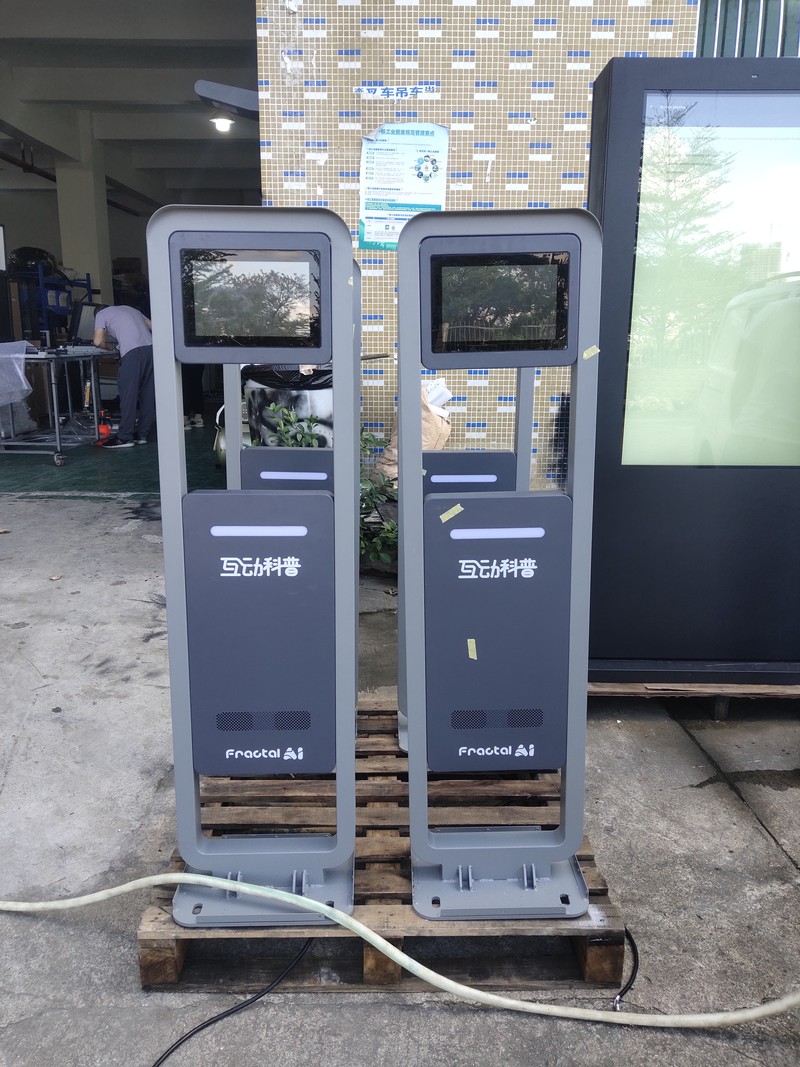
4. Deploy Sample Units for On-Site Field Trials: Where feasible, install an evaluation unit in the target climate during peak winter or summer periods to observe boot-up reliability, luminance stability, and cooling behavior firsthand.
5. Formalize Warranty SLAs in Contracts: Anchor warranty duration, covered components, and service commitments for extreme weather incidents directly into binding legal purchase agreements.
Superior hardware can still falter if physical site installation is flawed.
Orient displays to avoid prolonged unshaded perpendicular sunlight exposure and prevent snow accumulation at the base. Ensure cooling vents maintain generous convective airflow clearance. Protect all external cabling within insulated, watertight conduits. In sub-zero cold, configure automated pre-heating cycles before daily broadcasting; during extreme summer heatwaves, modulate peak luminance during peak midday hours to ease cooling loads.
Furthermore, outdoor physical mounting, concrete plinths, wind-load bracing, and electrical grounding must be executed by certified structural contractors.
Can standard commercial advertising displays operate in -30°C environments? Generally, no. Standard commercial displays feature narrow operating ranges (0°C to 40°C) and will fail to boot, suffer severe visual trailing, or short out from condensation in deep freezing cold. Certified wide-temperature models with internal heating are required.
Is a wider rated temperature range always better? Match specifications to your actual regional climate. If your region never drops below -10°C, paying extra for -40°C military-grade components is unnecessary. Prioritize certified test compliance covering your local historical climate extremes.
Do semi-outdoor sheltered locations require full wide-temperature hardware? In sheltered breezeways with mild ambient temperatures, semi-outdoor high-brightness models often suffice. Specific requirements depend on local climate records and site sun exposure.
How can buyers avoid displays with inflated temperature claims? Demand written specifications, accredited third-party test reports, and client references in matching climates, while treating unverified verbal claims with caution.
If you are sourcing high-reliability outdoor digital signage hardware, consider these commercial specifications:
ZXTLCD provides comprehensive ODM/OEM manufacturing for outdoor displays—including sunlight-readable brightness up to 4000 nits, IP65/IP66 weatherproof enclosures, intelligent temperature management, and integrated remote CMS.