Phone:
+8618098949445
Physical address:
604, Building 1, Sanyu Industrial Park, Xinwei Fourth Industrial Zone, Xinzhuang Community, Majan Street, Guangming District, Shenzhen

Phone:
+8618098949445
Physical address:
604, Building 1, Sanyu Industrial Park, Xinwei Fourth Industrial Zone, Xinzhuang Community, Majan Street, Guangming District, Shenzhen

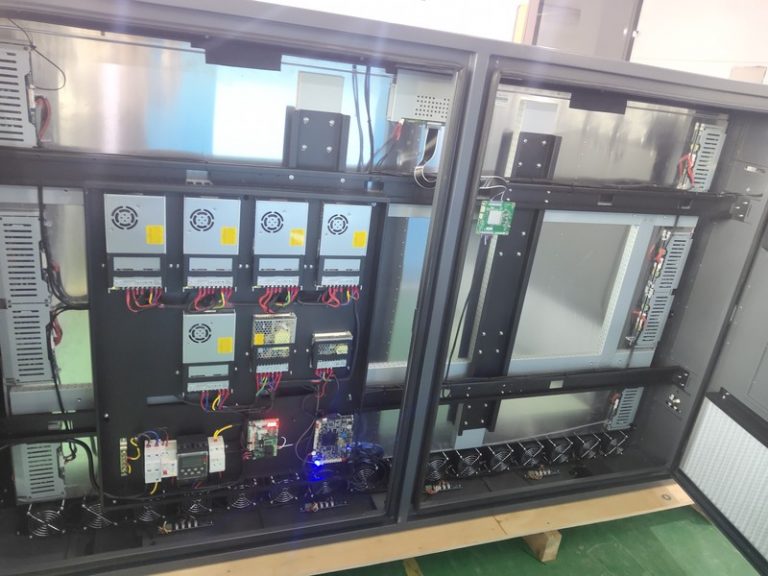
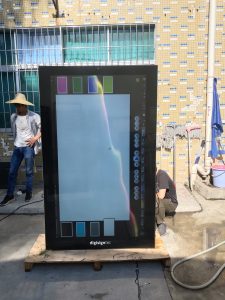
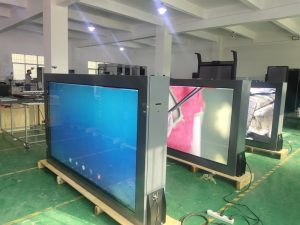
Walking through commercial districts and pedestrian shopping streets, digital displays are everywhere: dynamic wayfinding at intersections, event promotions along plaza borders, and brand sales banners outside boutique storefronts. Some screens naturally compel shoppers to pause and browse, while others stand as neglected black monoliths that nobody glances at.
The contrast rarely originates from display hardware alone, but rather from how the technology is deployed. For identical outdoor advertising kiosks, variations in site selection, content strategy, and ongoing operations produce vastly different commercial returns.
The tangible commercial value of outdoor digital signage manifests across four key pillars:
Wayfinding and Spatial Navigation: Commercial hubs, cultural districts, and tech parks span expansive acreage with complex pedestrian corridors. Outdoor digital displays present interactive maps, merchant directories, and event coordinates, offering far greater agility than static painted signs.
Timely Information Dissemination: Operating hour adjustments, upcoming festival calendars, emergency weather alerts, and parking availability require instant public broadcasting. Updating content remotely via cloud software eliminates the delays and recurring costs of disposable printed posters.
Commercial Brand Promotion: Flagship product launches, tenant openings, and seasonal retail sales can be broadcast across high-traffic pedestrian nodes. Coordinated digital displays create an immersive commercial ambiance far more compelling than scattered individual storefront banners.
Elevating Urban Modernity and District Aesthetics: Displays rendering crisp, well-curated visual media enhance district prestige and project sophisticated municipal management. Conversely, black screens, glitched displays, or outdated promotional notices directly degrade public perception.
Many project planners debate screen dimensions first; in reality, physical site selection should always take priority.
Prime deployment locations exhibit several shared characteristics: high pedestrian convergence points (entrances, main walkways, central plazas); extended dwell-time zones (transit stops, seating benches, pedestrian crosswalks); unobstructed sightlines free of tree canopies, light poles, and delivery vehicles; and favorable solar orientations that avoid direct blinding glare or harsh reflections.
Furthermore, each location imposes distinct hardware demands: fully exposed outdoor plazas require IP65 weatherproofing and 2,500+ nits brightness, whereas sheltered breezeways require lower specifications. High-traffic pedestrian corridors demand impact-resistant tempered glass and tamper-proof security locks.
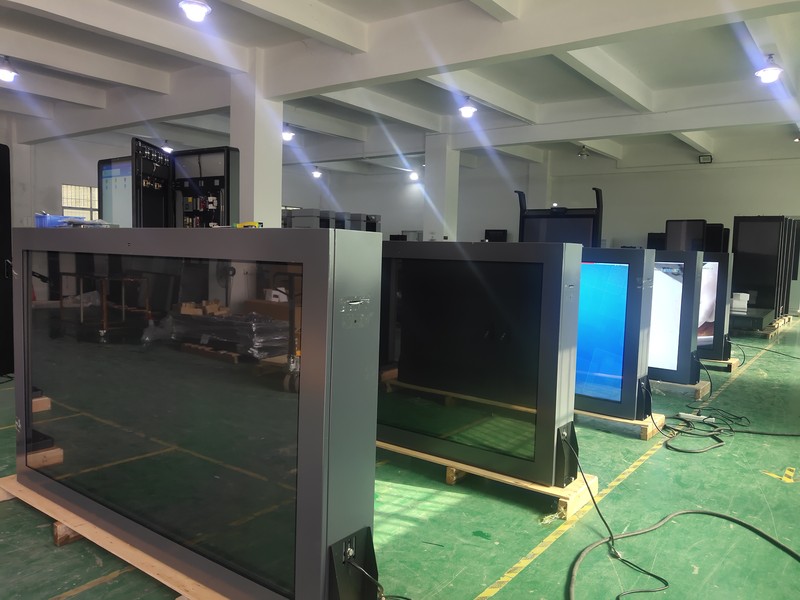
Additionally, outdoor structural foundations, concrete plinths, wind-load ratings, and electrical lightning protection must be evaluated by certified contractors rather than purchasing hardware prematurely based on price alone.
Designing outdoor content differs fundamentally from indoor media, requiring three Golden Rules:
Keep Messaging Concise and Bold: Pedestrians glance at an outdoor screen for mere seconds; content must be digested in a flash. Utilize bold typography, high-contrast color palettes, and single-topic messaging rather than cramming dense brochures onto the canvas.
Implement Temporal Dayparting: Morning commuters, lunchtime diners, evening shoppers, and weekend families have distinct needs. Program dayparted playlists: morning breakfast specials, lunch dining vouchers, evening entertainment, and weekend family activities.
Enforce Timely Content Expirations: Displaying expired sales promotions severely damages brand credibility. Establish structured content auditing to ensure every broadcast asset is active and accurate.
Finally, creative media assets must be formatted to native panel resolutions and aspect ratios to prevent image stretching or pillarboxing, utilizing high-contrast color grading for sunlight visibility.
Outdoor displays are physically dispersed; the greatest hazard is installing hardware and abandoning operational oversight.
Deploy a unified digital signage CMS platform enabling remote scheduling, automated power timers, and real-time device health telemetry. System outages should trigger automated alerts immediately, rather than waiting for merchant complaints. Execute scheduled field maintenance: cleaning optical glass, inspecting expansion anchors, verifying cable glands, and replacing air filter louvers prior to rainy seasons and summer heatwaves.
Clearly define warranty SLAs: specify response turnaround times, on-site technician dispatch, spare parts inventories, and covered components in contractual agreements.
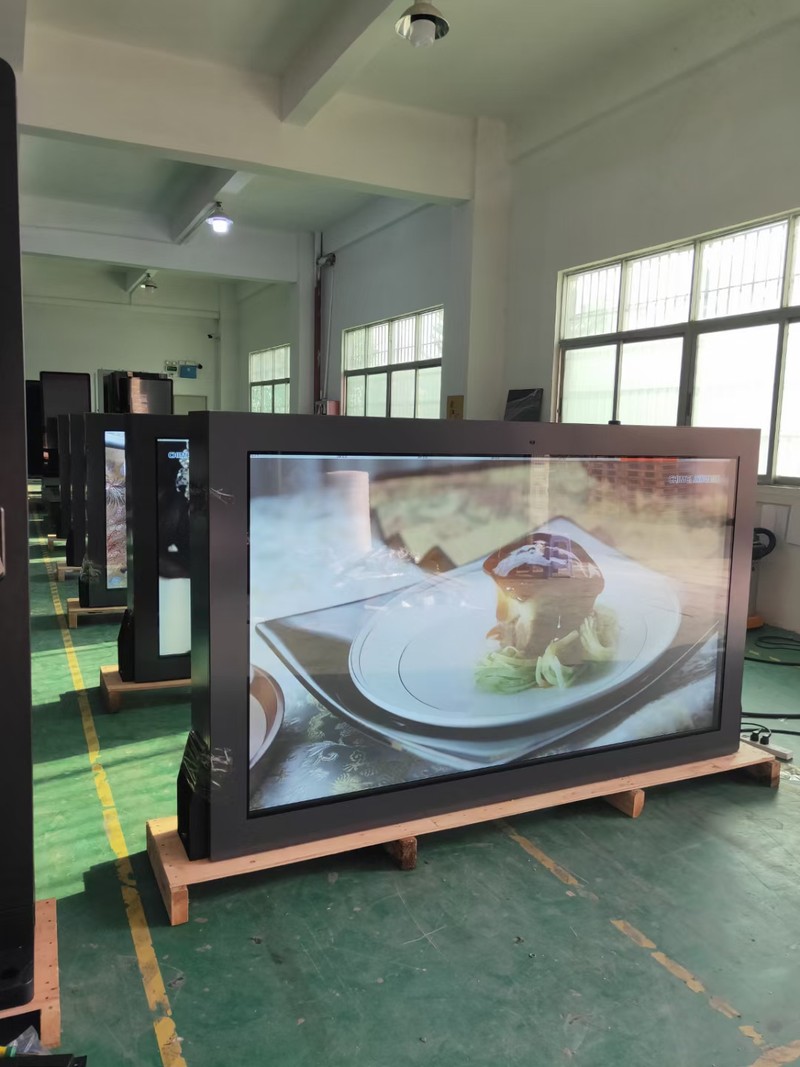
Chasing Excessive Screen Size: A larger screen does not guarantee success; location, content, and luminance are vastly more influential.
Using Indoor Displays Outdoors: Indoor displays lack weatherproofing, high brightness, and cooling, leading to rapid failure and high replacement costs.
Installing Without Content Ownership: Displays without active content management quickly become neglected black slabs that harm district image.
Neglecting Public Structural Safety: Concrete footings, expansion bolts, wind resistance, and electrical grounding must adhere to municipal safety codes.
Excessive Commercial Saturation: Overwhelming audiences with pure hard-sell advertising alienates visitors; integrating weather updates, transit notices, and local culture builds public goodwill and engagement.
How do outdoor displays in commercial districts generate commercial ROI? Primary revenue streams include leasing digital advertising slots to tenants, promoting district events to drive retail foot traffic, and delivering wayfinding services that elevate overall commercial property value.
Do outdoor commercial displays require municipal permits? Municipalities enforce specific regulatory codes regarding outdoor digital signage on public sidewalks; consult local urban planning and administrative authorities prior to installation.
How many display kiosks should a pedestrian street deploy? Deployment depends on square footage, walking loops, and key pedestrian nodes. Deploying pilot units at prime intersections first and expanding based on analytics is recommended.
Who should manage content across the network? Designate a dedicated operations team responsible for content auditing, daypart scheduling, and telemetry monitoring to prevent fragmented, conflicting messaging.
Whether outdoor digital signage elevates urban commerce depends not merely on screen luminance, but on strategic site selection, compelling concise content, and disciplined maintenance. Defining your operational objectives before selecting hardware guarantees a high-return, worry-free deployment.
ZXTLCD specializes in commercial-grade LCD stretched bar displays designed for retail shelving, service counters, pedestrian corridors, and showcase window interiors. If your commercial project requires elongated digital signage solutions—such as in-mall wayfinding, showcase transoms, or corridor information displays—share your installation requirements with us. Official website: www.outdoorlcddisplays.com/” target=”_blank” rel=”noopener”>www.outdoorlcddisplays.com
If you are sourcing high-reliability outdoor digital signage hardware, consider these commercial specifications:
ZXTLCD provides comprehensive ODM/OEM manufacturing for outdoor displays—including sunlight-readable brightness up to 4000 nits, IP65/IP66 weatherproof enclosures, intelligent temperature management, and integrated remote CMS.