Phone:
+8618098949445
Physical address:
604, Building 1, Sanyu Industrial Park, Xinwei Fourth Industrial Zone, Xinzhuang Community, Majan Street, Guangming District, Shenzhen

Phone:
+8618098949445
Physical address:
604, Building 1, Sanyu Industrial Park, Xinwei Fourth Industrial Zone, Xinzhuang Community, Majan Street, Guangming District, Shenzhen

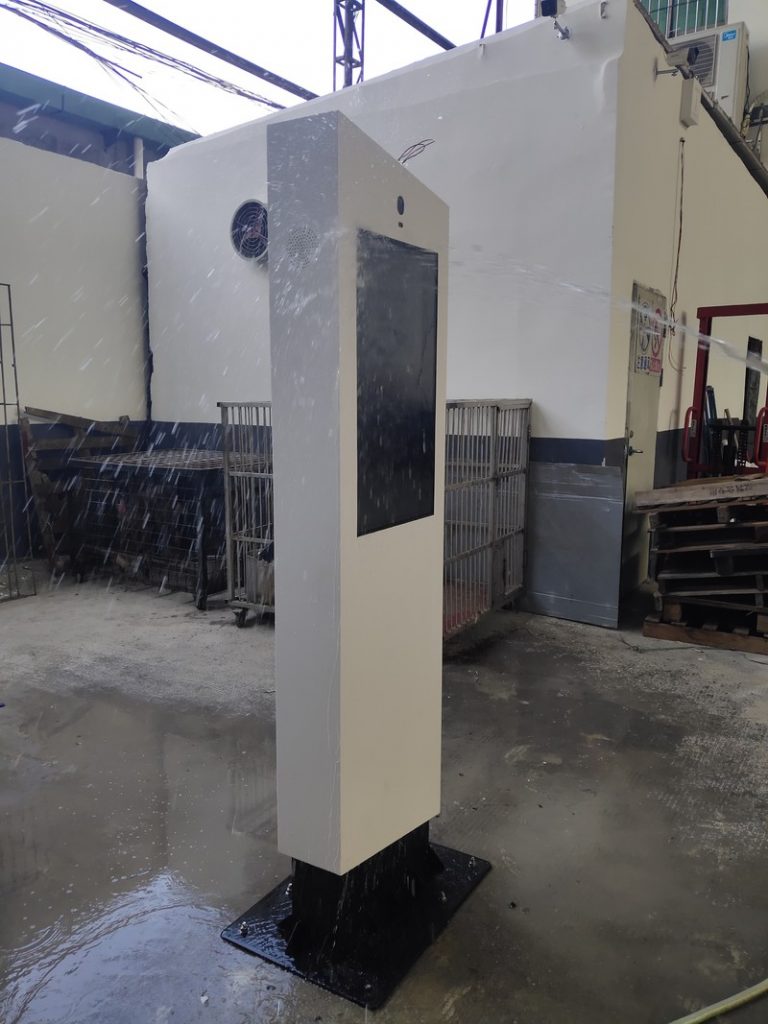
Outdoor digital signage is often evaluated through a specification sheet, but the enclosure design, assembly process and final inspection are equally important when the equipment will be installed outside. This 32-inch outdoor advertising display was developed as a floor-standing unit that combines an LCD advertising area with an integrated lightbox section.
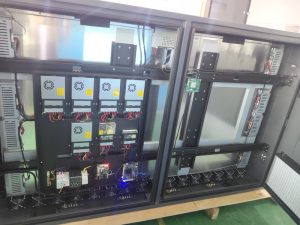
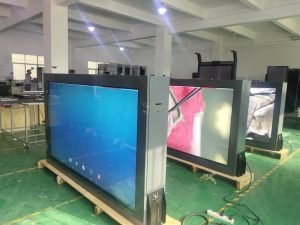
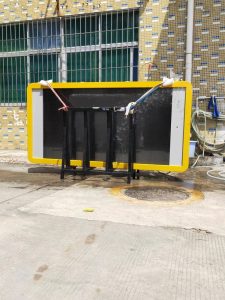
The photographs in this project were taken during assembly and testing at the ZXT LCD production facility. They show the cabinets before completion, multiple units undergoing screen checks, and a finished enclosure being exposed to a controlled water spray. Together, these stages provide a more useful view of the product than a studio rendering alone.
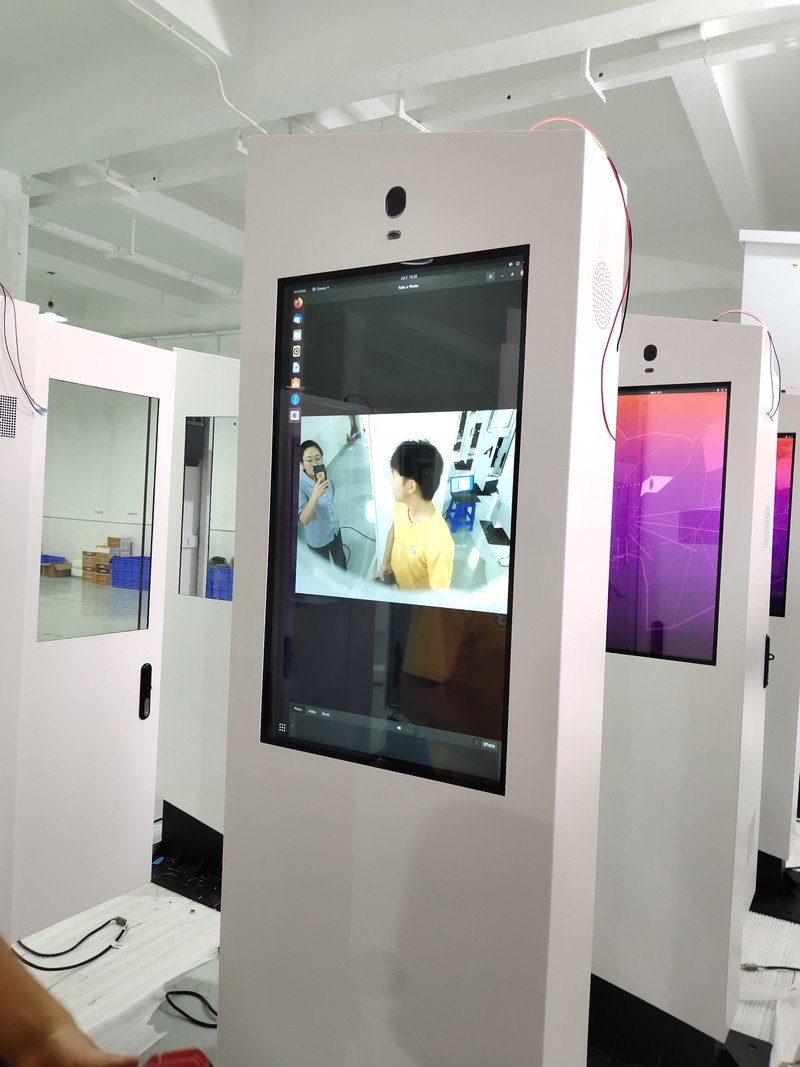
A 32-inch screen provides a practical balance between content visibility and cabinet size. It is suitable for locations where a full-size outdoor kiosk would occupy too much space but a small wall-mounted screen would not attract enough attention.
The upright enclosure gives the display a clear viewing position without requiring attachment to an existing wall. A wide metal base supports floor installation, while the narrow cabinet profile helps preserve pedestrian space around entrances, service areas and commercial walkways.
The final configuration should always be selected according to installation conditions. Screen brightness, cooling, operating system, glass construction, anchoring and environmental protection need to match the actual site rather than being chosen from screen size alone.
The enclosure includes space for both digital information and a lightbox presentation area. These two media formats can perform different roles within the same installation.
The LCD section can show changing promotions, service messages, videos or scheduled information. The illuminated section can retain a fixed brand image, location identity or long-term campaign graphic. This arrangement is useful when a buyer wants frequently updated digital content without removing a permanent visual identity from the kiosk.
For example, a retail property could place its logo or directional graphic in the lightbox while using the screen for tenant promotions. A restaurant could retain its brand panel while changing menu content by time of day. At a visitor entrance, the fixed area could identify the facility while the display provides current instructions.
This mixed-media design also reduces the need to install two separate structures at the same location.
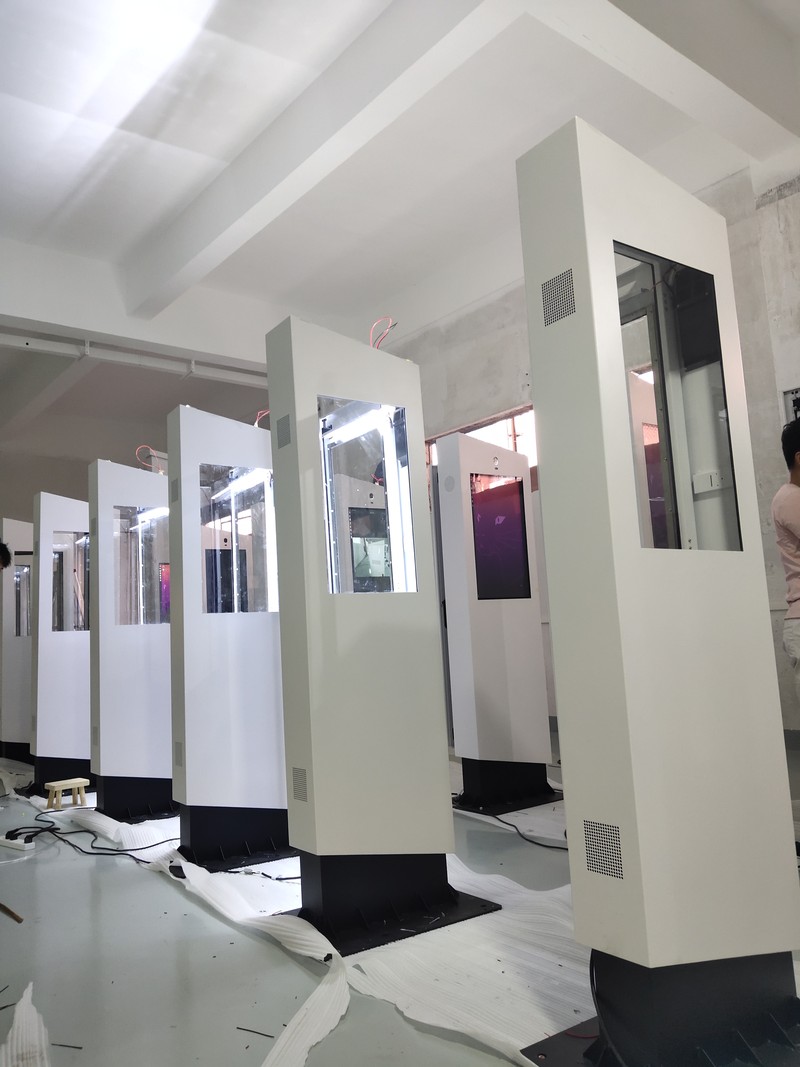
Several images show the enclosures arranged in rows during production. At this stage, technicians can inspect internal mounting positions, ventilation openings, access panels, wiring paths and the alignment of the screen and lightbox openings.
Batch production makes consistency especially important. Differences in door alignment, display positioning or base installation become more noticeable when multiple units are placed together at the same site. Checking the cabinets as a group helps the production team compare their external finish and structural alignment before packing.
The white cabinet and black base create a clean commercial appearance. Cabinet color, surface treatment and branding can be discussed according to project quantity and installation requirements.
The production photographs also show multiple screens operating simultaneously. This allows technicians to check whether each display starts correctly and whether the visible area is properly aligned within the front opening.
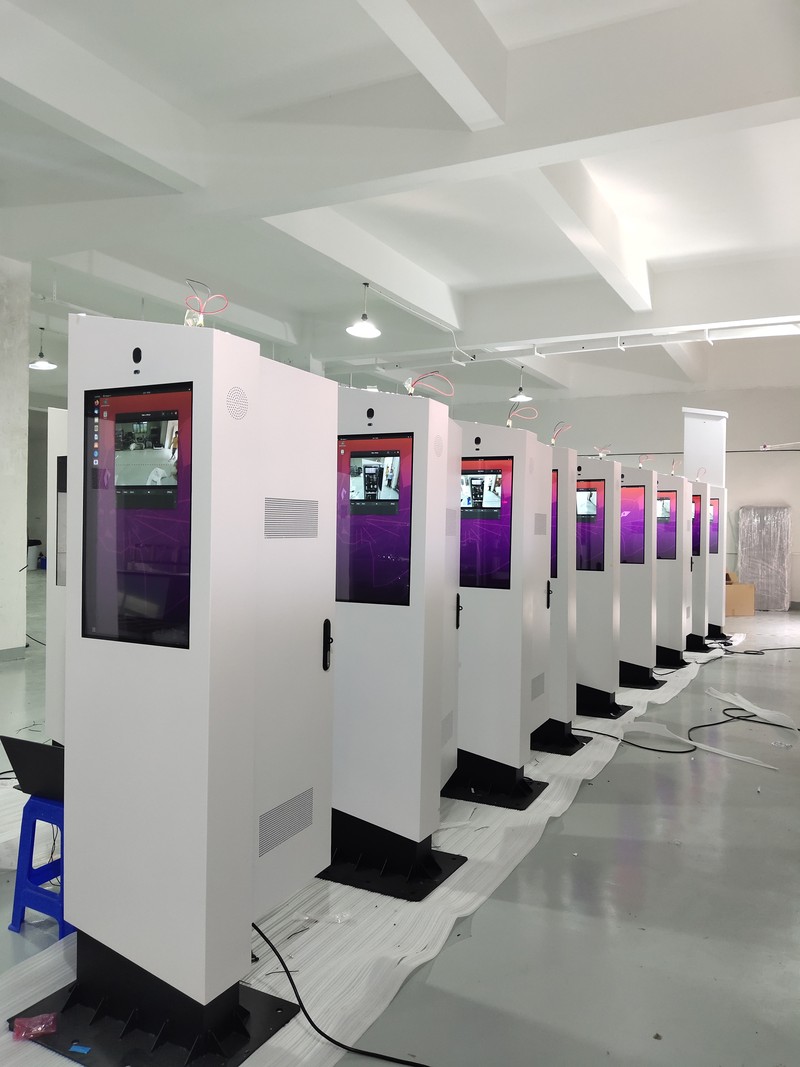
A screen displaying content in the workshop does not by itself complete the inspection. For a project order, the checking process may also include the media player, power supply, network connection, ventilation, access doors and other components included in the confirmed configuration.
Batch testing is particularly relevant for buyers preparing a multi-location rollout. Receiving units with consistent settings can reduce commissioning work after the equipment reaches the installation site.
One photograph shows a completed cabinet exposed to a direct water spray. This is a useful production-stage inspection for observing the enclosure, seams and external structure under wet conditions.
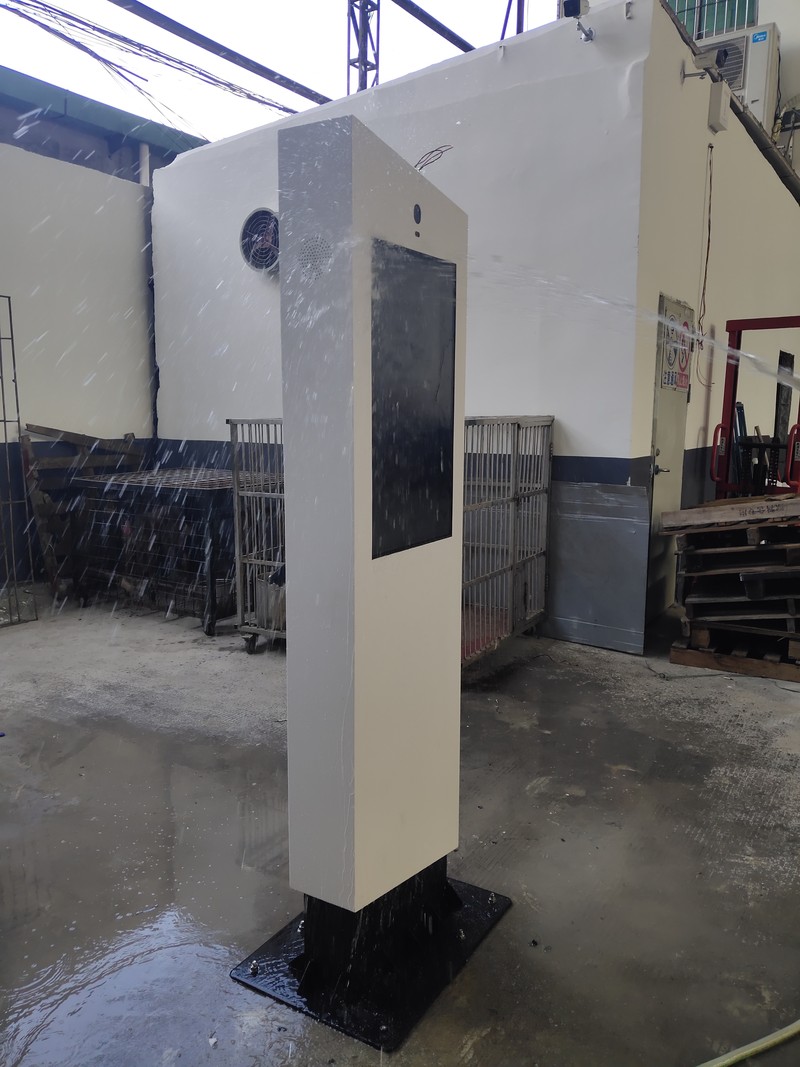
This test should not be confused with an independent certification unless a specific test standard and report are included in the order. Its purpose in the manufacturing process is to identify visible enclosure or assembly issues before delivery.
These details help determine whether the standard enclosure is suitable or whether the project requires changes to thermal management, sealing, glass, brightness or internal hardware.
For a 32-inch outdoor advertising display, the freestanding cabinet must be treated as installed equipment rather than portable indoor signage. The base needs to be secured to a suitable foundation according to local site conditions and engineering requirements.
Cable routing should also be planned before installation. Power and network cables should not remain exposed where they could create a trip hazard or allow water to enter through an unprotected route. Service access must remain available after the unit is fixed in position.
Before production, the purchaser should confirm the orientation of the screen, placement of the lightbox artwork, content update method and required external connections. Confirming these points early is more efficient than changing the cabinet after fabrication.
The content should be designed for the expected viewing distance. A compact outdoor screen works best with clear headlines, strong contrast and a limited amount of information per frame.
Small body text, complex price lists and layouts copied directly from desktop websites can be difficult to read outdoors. A more effective content sequence might use one promotion, one supporting message and one call to action at a time.
If the display will be viewed while people are walking past, the most important message should be understandable within a few seconds. Longer instructions are better suited to locations where visitors naturally stop, such as entrances, waiting areas or service points.
The 32-inch outdoor advertising display can be configured around different operating and installation requirements, but an accurate recommendation depends on the information supplied by the buyer.
For project evaluation, provide the required quantity, installation country, site photographs, expected sunlight exposure, operating hours, content source, network method and any required lightbox dimensions. If the unit will be installed in a fully exposed location, include local temperature and weather conditions.
ZXT LCD can then review the cabinet construction, LCD configuration, control system and installation requirements as one complete project. Buyers can also review our range of outdoor LCD advertising displays when comparing formats for a new installation.
The production and testing images in this article represent real equipment at different manufacturing stages. They give buyers a clearer view of how the cabinets are assembled and checked before shipment while leaving the final technical specification to the confirmed project documentation.