Phone:
+8618098949445
Physical address:
604, Building 1, Sanyu Industrial Park, Xinwei Fourth Industrial Zone, Xinzhuang Community, Majan Street, Guangming District, Shenzhen

Phone:
+8618098949445
Physical address:
604, Building 1, Sanyu Industrial Park, Xinwei Fourth Industrial Zone, Xinzhuang Community, Majan Street, Guangming District, Shenzhen

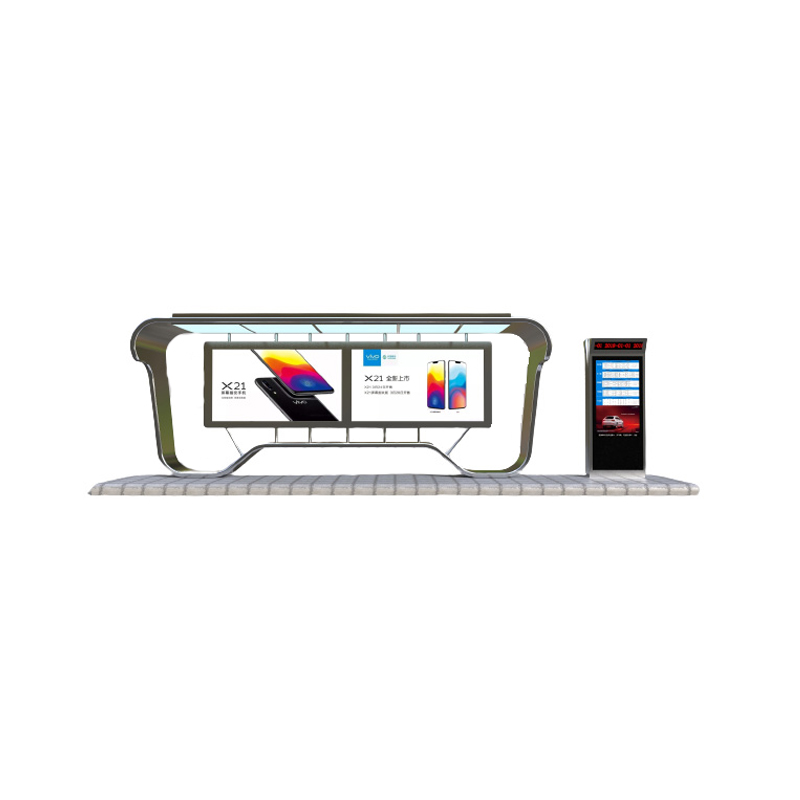
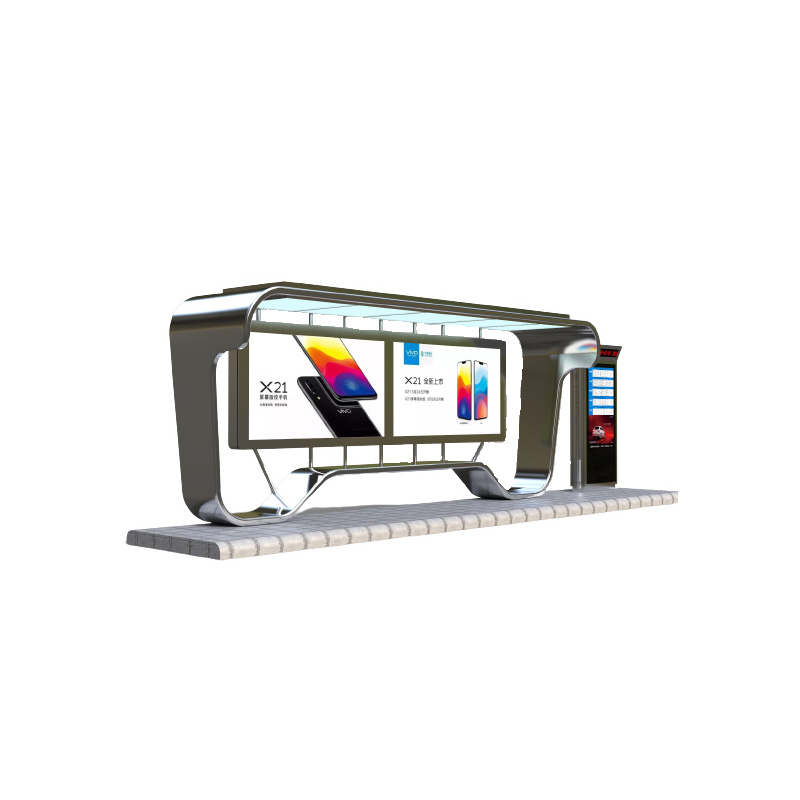
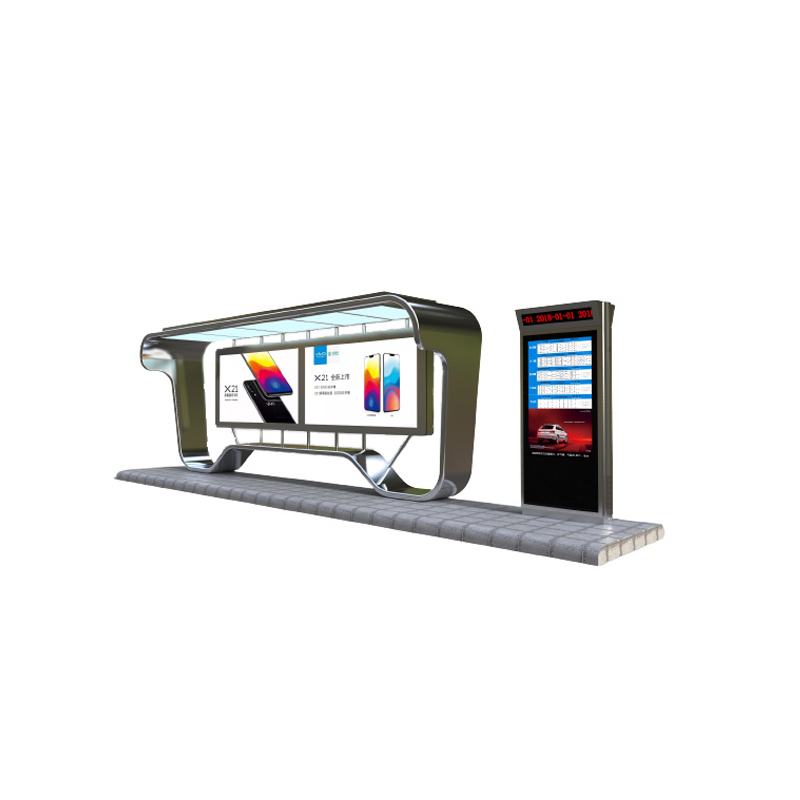
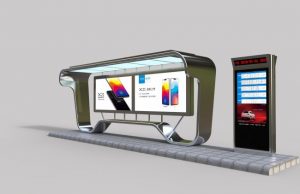
65-Inch Dual-Screen Transit Display:
Integrated transport signage solution combining large advertising media with dedicated passenger information display.
Passenger Information & Advertising Separation:
One screen supports campaigns and branding, while the information terminal manages routes, arrivals and service updates.
Smart Digital Signage Board Outdoor System:
Designed for bus shelters, transit stations and public transport environments requiring clear communication.
Remote Content Management:
Supports independent or synchronized playlists, emergency updates and real-time information publishing.
High-Brightness Outdoor Performance:
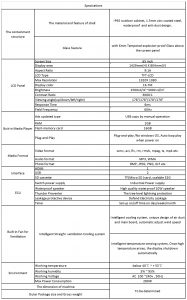
Built for exposed transport locations with outdoor visibility, thermal management and weather-resistant protection.
Custom Transit Shelter Integration:
Screen arrangement, cabinet design and branding can be configured to match different transportation infrastructure projects.
A transport display works better when it separates two different reading tasks. Passengers need immediate route and arrival information, while advertisers need enough visual space for campaigns that can be understood from farther away. This system combines a wide advertising display with a separate passenger-information terminal, creating coordinated transport communication without forcing every message onto one crowded screen.
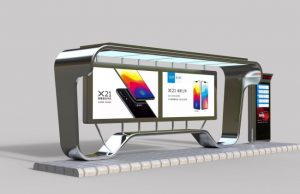
The 65-inch display can carry brand content across the shelter, while the narrower endpoint can present route details, service changes and urgent notices. Used together, the screens create a Digital Signage Board Outdoor system that serves both operations and advertising without forcing all information into one crowded layout.
The wide shelter screen should be designed for quick recognition. A campaign may use one dominant image, a short headline and a limited call to action. Content that resembles a detailed web page will be difficult to read as people approach the stop or pass in a vehicle.
The slim information totem has a different job. It can organise route numbers, expected arrivals, transfer advice and accessibility information in a consistent hierarchy. The most urgent service message should occupy the most visible area, while secondary notices can rotate beneath it. Keeping timetable information on the dedicated screen also prevents paid campaigns from obscuring essential transport guidance.
This division creates a more useful Digital Signage Board Outdoor installation. The operator can sell advertising inventory while retaining control of a clearly defined public-information channel.
Transport content changes more frequently than conventional outdoor advertising. Delays, detours, weather disruption and emergency instructions may need to be published within minutes. Remote management allows authorised staff to update the relevant stop or a defined group of locations without travelling to each shelter.
The content workflow should distinguish planned and urgent material. Advertising campaigns can be scheduled by date, time and location. Passenger information can be supplied by the transport system, while emergency messages should have priority rules that temporarily override normal playlists.
Live arrival data can be connected to the passenger-information screen, while locally stored fallback content keeps essential timetable and service guidance visible during a temporary network interruption.
Passengers do not stand in one fixed position. Some approach from the pavement, some sit beneath the canopy and others check information while boarding. Screen height, viewing direction and glare should therefore be reviewed from several positions.
The integrated shelter format provides dedicated areas for wide-format advertising and essential passenger services. The separate information terminal helps passengers recognise where to find route and arrival updates.
Lighting conditions also change throughout the day. A sheltered screen may still receive strong reflected light from roads, glass buildings or pale paving. Brightness control should keep content readable in daylight without producing excessive glare after dark. Camera, sensor or touch options, if required, should be placed where they do not interfere with normal pedestrian movement.
Advertising can help support the cost of a transport network, but the screen must remain useful to passengers. A practical content policy should define:
This gives advertisers a dependable medium and gives passengers a predictable information experience. It also reduces complaints caused by flashing content or timetable details that disappear too quickly.
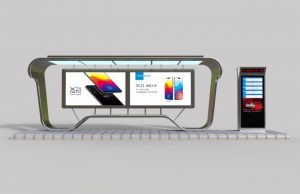
Coordinated screen management:
The wide display and slim totem can support coordinated or independent playlists for advertising and passenger information.
Outdoor-ready construction:
Waterproof protection, thermal management and high-brightness output support exposed shelter locations and changing daylight.
Custom shelter appearance:
Frame finish, colour, screen arrangement and branding can be coordinated with the surrounding transport architecture.
A successful Digital Signage Board Outdoor project is not measured only by screen size. It succeeds when passengers can find the next useful instruction immediately, advertisers receive a strong visual position and operators can update both channels without confusion.
Tell us your required screen size, quantity and application. Our team will reply within 24 hours.