Phone:
+8618098949445
Physical address:
604, Building 1, Sanyu Industrial Park, Xinwei Fourth Industrial Zone, Xinzhuang Community, Majan Street, Guangming District, Shenzhen

Phone:
+8618098949445
Physical address:
604, Building 1, Sanyu Industrial Park, Xinwei Fourth Industrial Zone, Xinzhuang Community, Majan Street, Guangming District, Shenzhen

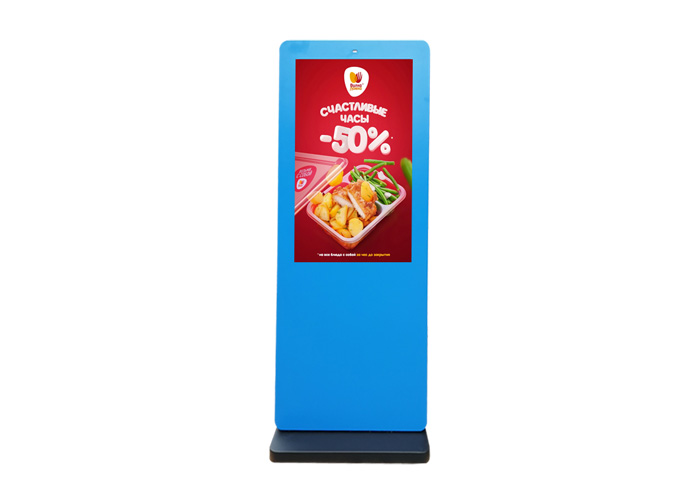
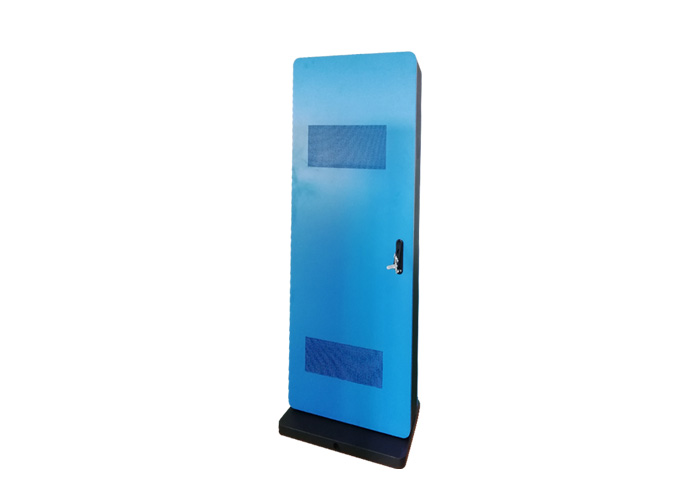
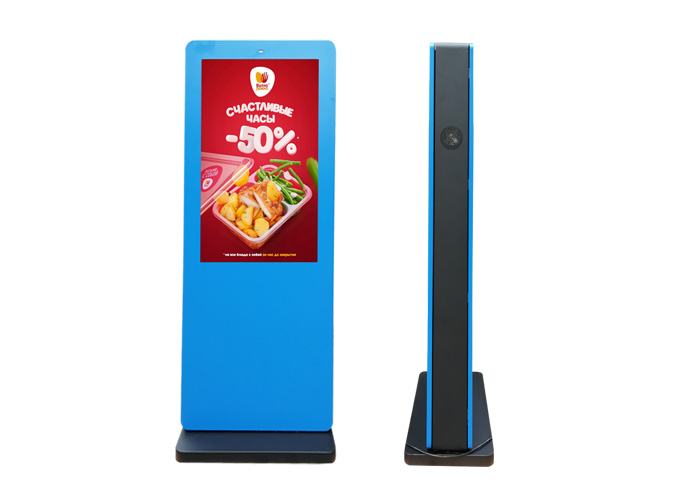
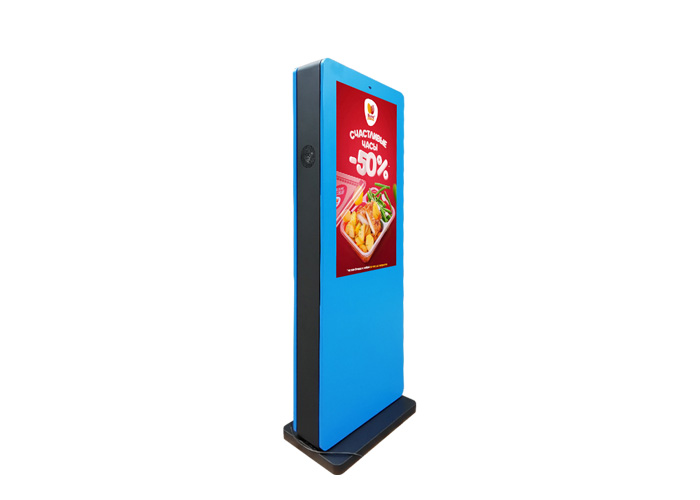
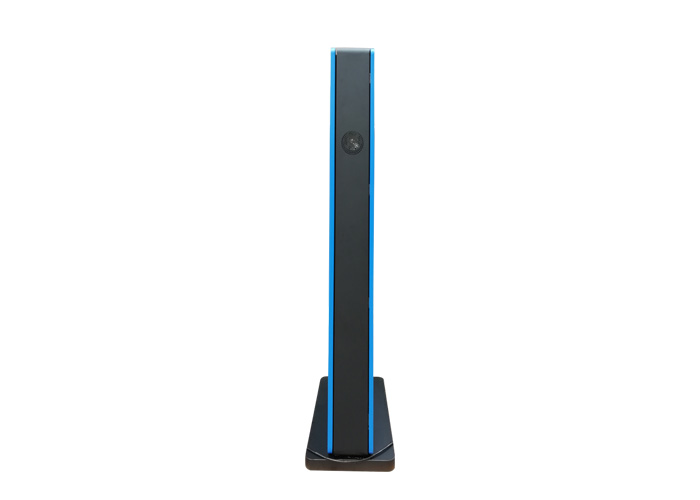
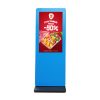
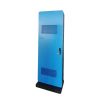
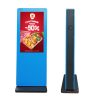
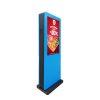
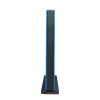
43-Inch Solar-Powered Outdoor Digital Kiosk:
Independent outdoor display solution designed for remote locations without convenient grid power access.
Off-Grid Digital Signage Operation:
Solar energy system supports information displays, advertising and visitor guidance in parks, trails and rural locations.
Smart Energy Management:
Optimized power scheduling, battery reserve planning and brightness adjustment help balance visibility with available solar energy.
Outdoor Digital Kiosk Applications:
Suitable for nature parks, visitor centers, agricultural attractions, campuses, temporary facilities and remote public areas.
Reliable Remote Content Delivery:
Supports local media playback and optional wireless connectivity for updates in locations with limited network access.
Weather-Ready Outdoor Construction:
Designed with environmental protection, thermal management and site-specific installation planning for long-term outdoor use.
Sustainable Information Display Solution:
Combines renewable power, digital communication and flexible deployment for areas where traditional electrical installation is difficult.
Running a new electrical line can make a remote information project expensive before the display is even installed. This 43-inch solar-powered unit is intended for locations where public information or advertising is needed but permanent grid power is difficult to reach. The system combines an outdoor LCD screen with an independent energy arrangement that can be planned around local sunlight and operating hours.
Potential sites include nature parks, trail entrances, rural visitor points, agricultural attractions, temporary public facilities and large properties with distant access routes. The value of the product is not simply portability; it is the ability to place changing digital information closer to the audience without treating every location as a conventional electrical construction project.
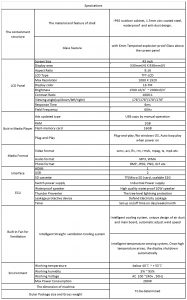
A Digital Outdoor Kiosk powered by solar energy needs an energy budget before its brightness and playback schedule are finalized. The project should calculate daily screen consumption, media-player demand, thermal-control load and standby use. These values can then be compared with local solar conditions and the required hours of operation.
The display does not need to run at maximum brightness continuously. A schedule can increase output during the brightest part of the day and reduce it in cloudy conditions or late afternoon. If most visitor traffic occurs between 9 a.m. and 5 p.m., the operating plan can focus available energy on those hours instead of trying to copy a 24-hour urban advertising schedule.
Battery capacity should include a reserve for poor weather. The required reserve depends on how critical the information is and how many low-sun days the system must tolerate. A promotional display may be allowed to reduce its operating time, while a safety or route-information screen may need a more conservative energy design.
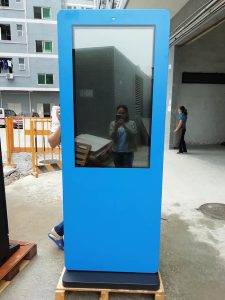
The 43-inch portrait screen can present trail conditions, maps, wildlife notices, event information, opening times and emergency instructions. At an agricultural or tourism property, it can also promote activities, explain ticket options or direct visitors to facilities.
Content stored locally allows playback to continue when network coverage is weak. Where cellular or long-range wireless service is available, managers can publish urgent updates without travelling to each location. The final communication method should be selected after checking signal quality, data cost and the frequency of content changes.
A Digital Outdoor Kiosk should not attempt to display every piece of information at once. Maps need large labels, safety messages need priority and promotional media should not interrupt essential guidance. Separating operational and commercial playlists helps visitors understand which information requires immediate attention.
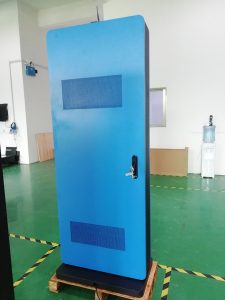
The display enclosure must be configured for rain, dust, temperature and direct solar exposure. Heat generated by the screen and player can combine with solar gain inside the cabinet, so thermal management remains necessary even though the energy source is renewable. The solar panel position should avoid shade from trees, signs or nearby structures during the main charging period.
Foundation design depends on soil conditions, wind exposure and the complete equipment weight. The installer should consider the display, supporting structure, battery compartment and solar assembly together. Cable routes between these components need protection against water, accidental damage and unauthorised access.
Routine maintenance includes cleaning the display surface and solar panel, checking seals, inspecting ventilation paths and reviewing battery condition. A service schedule is particularly important at remote sites because a small fault may otherwise remain unnoticed.
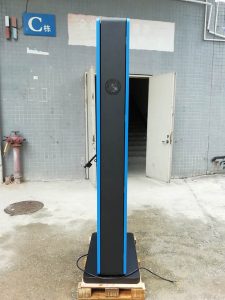
Buyers should provide the installation coordinates or city, expected daily runtime, seasonal sunlight conditions, minimum and maximum temperature, screen orientation and required network connection. The content type and urgency level also help determine the necessary battery reserve.
A well-specified Digital Outdoor Kiosk balances visibility with available energy. Increasing panel output, adding heating or extending the daily schedule will all change the solar and battery requirements. This 43-inch system gives parks, rural properties and remote visitor facilities a practical way to deliver changing information, provided that the display, power generation, storage and site engineering are planned as one project.
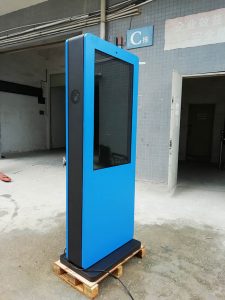
Tell us your required screen size, quantity and application. Our team will reply within 24 hours.