Phone:
+8618098949445
Physical address:
604, Building 1, Sanyu Industrial Park, Xinwei Fourth Industrial Zone, Xinzhuang Community, Majan Street, Guangming District, Shenzhen

Phone:
+8618098949445
Physical address:
604, Building 1, Sanyu Industrial Park, Xinwei Fourth Industrial Zone, Xinzhuang Community, Majan Street, Guangming District, Shenzhen

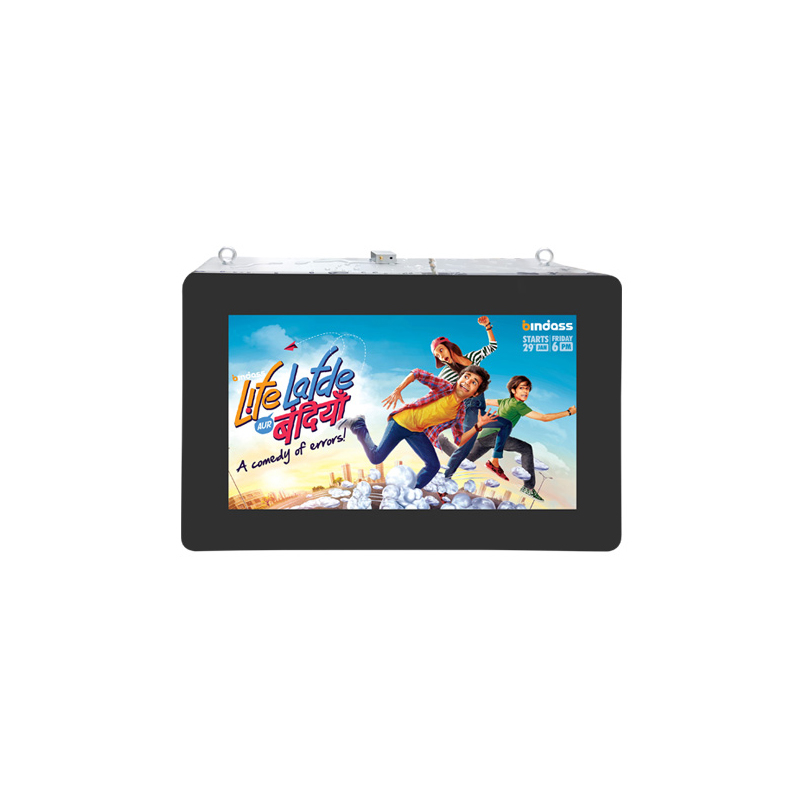
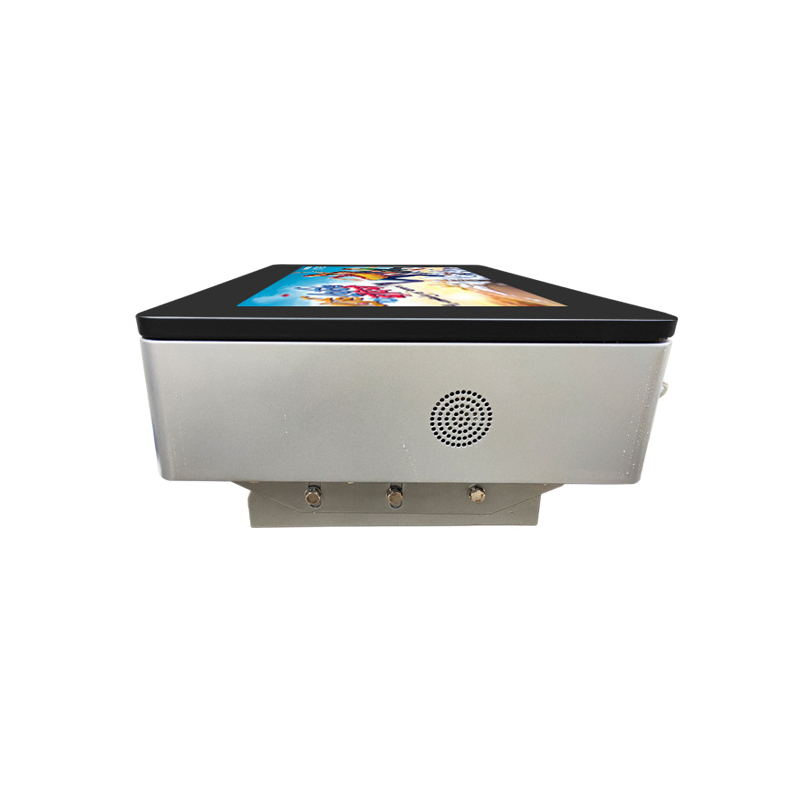
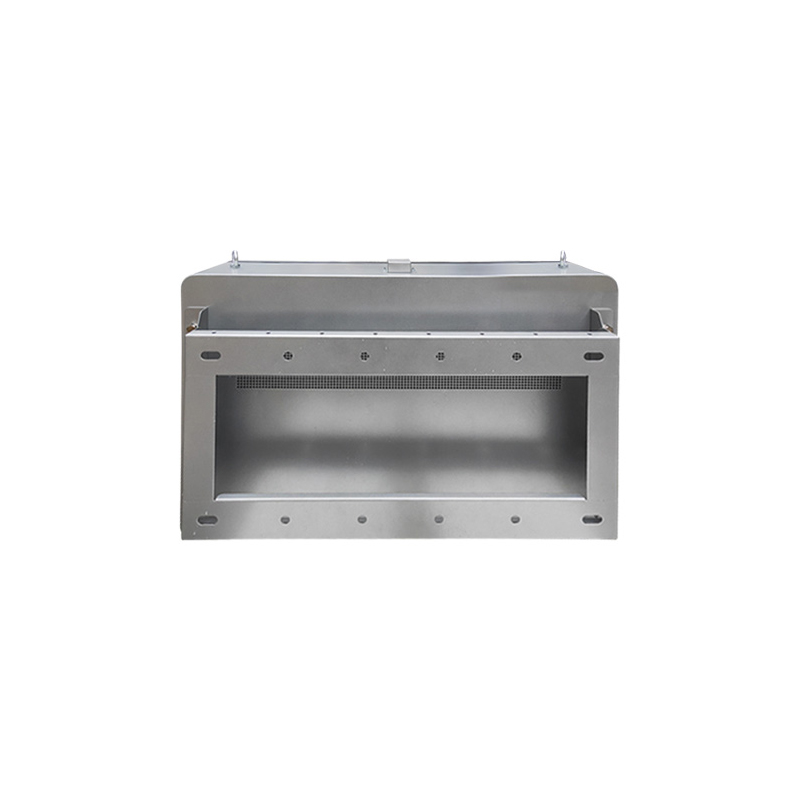
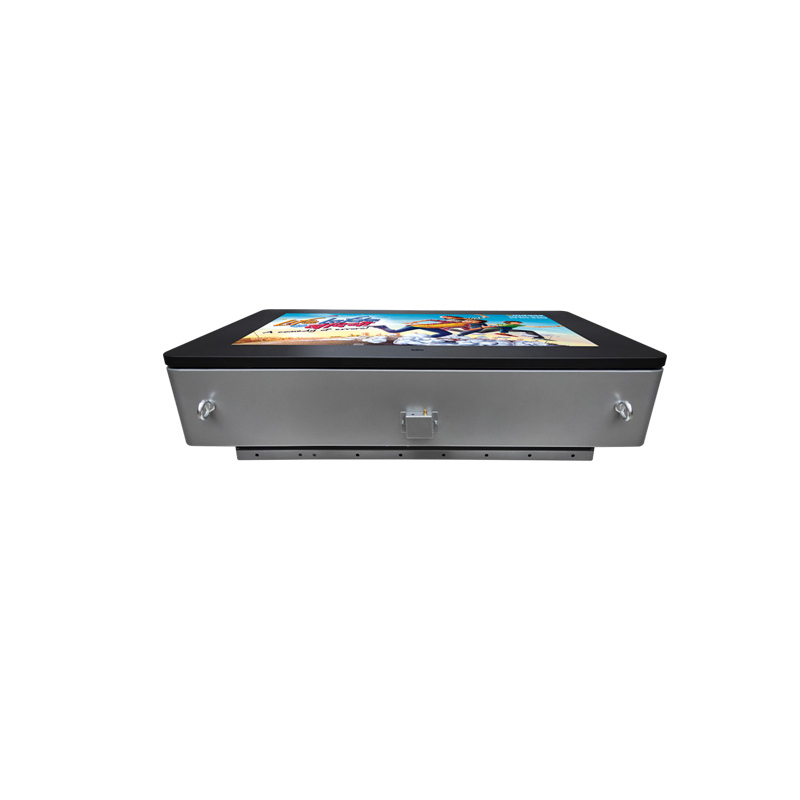
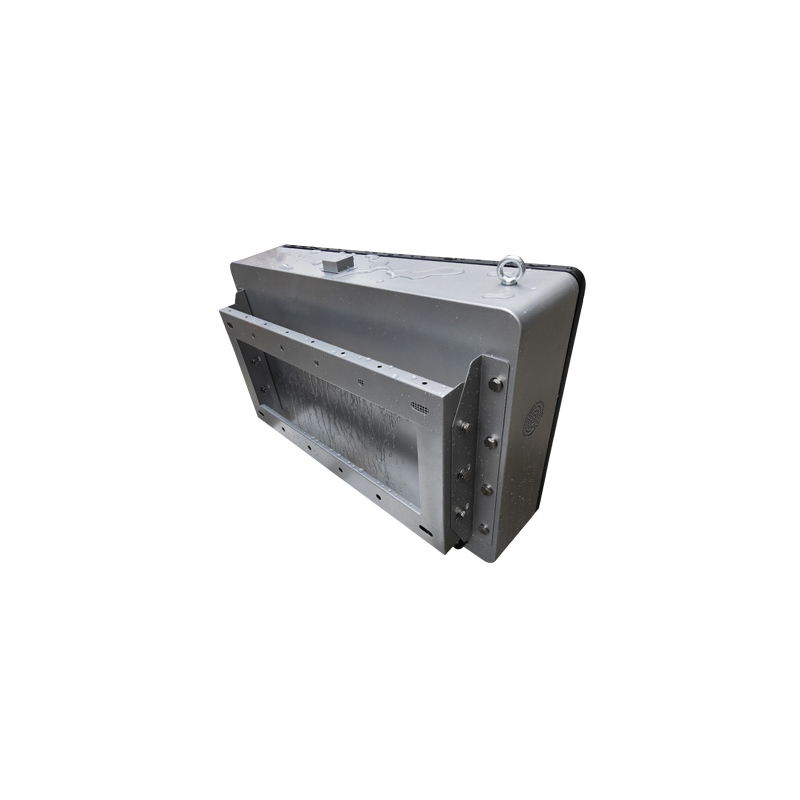
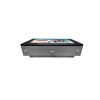
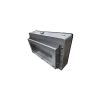
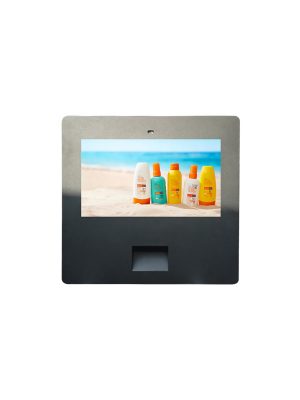
Providing interactive information in a location without convenient grid power can be difficult. Trenches, electrical permits and long cable runs may cost more than the display itself. This 32-inch solar-powered monitor combines a capacitive touchscreen with an outdoor information format for parks, trails, campuses, public spaces and remote visitor points.
Solar power does not make installation completely infrastructure-free. The screen, battery capacity, panel position and operating schedule must be planned as a complete energy system. When these elements are matched correctly, the kiosk can support information access in places where conventional power installation is impractical.
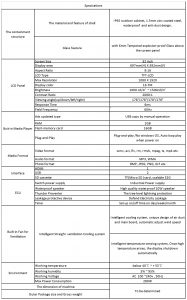
Capacitive touch provides responsive interaction for visitors using bare fingers. It is suitable for maps, directories, attraction searches, service information and other interfaces with clear on-screen controls.
Outdoor touch kiosks in remote locations should keep the user journey simple. Complex forms and long navigation paths increase interaction time and energy use while making the interface harder to maintain.
Suitable functions include:
If the installation is expected to serve users wearing heavy gloves, the touch requirement should be discussed before production because standard capacitive operation may not suit every glove type.
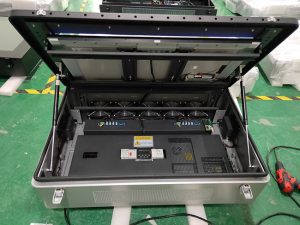
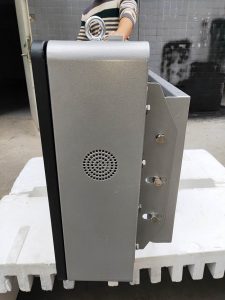
The solar system should be calculated using screen power consumption, brightness level, player load, expected daily runtime and the amount of usable sunlight at the site. A panel sized only for ideal summer conditions may not provide enough energy during cloudy weather or shorter winter days.
The project team should provide the installation coordinates, preferred panel orientation, expected operating hours and required autonomy. Battery capacity determines how long the kiosk can continue operating when solar input is limited.
Outdoor touch kiosks may use scheduled operation to manage energy consumption. For example, the display can activate during park opening hours and enter a low-power state overnight. Brightness control can further reduce unnecessary load when full output is not required.
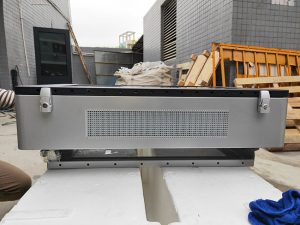
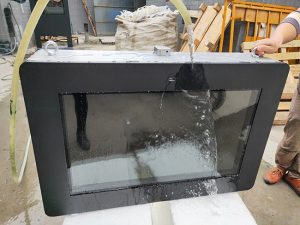
The best position for screen visibility may not be the best position for solar generation. A kiosk placed beneath trees may be comfortable for users but receive insufficient sunlight. A unit in full sun may produce more energy while experiencing a higher internal temperature.
These competing requirements should be evaluated during the site survey. In some projects, the solar panel can be separated from the screen and positioned at a more suitable angle. Cable length, vandal resistance and maintenance access must then be considered.
The touchscreen should remain at a comfortable height, with enough clear space for visitors to approach. Reflections from the protective surface and surrounding landscape should also be checked.
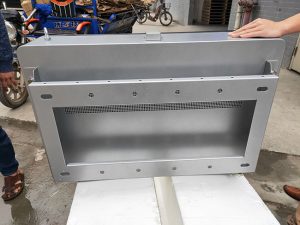
Remote content updates require a reliable connection. Depending on the location, the kiosk may use Wi-Fi, Ethernet where available or a mobile network. Remote monitoring is particularly valuable for solar installations because operators can identify low battery conditions, connection problems or playback failures without visiting the site.
Solar panels need periodic cleaning, and battery performance changes over time. Vegetation growth can also introduce shade that was not present during installation. A maintenance schedule should therefore cover the energy system as well as the display.
This 32-inch solar-powered model gives outdoor touch kiosks greater freedom from fixed electrical infrastructure. It is best suited to projects that evaluate sunlight, autonomy, interface design and ongoing service together, producing an interactive information point that remains practical beyond the initial installation.
Tell us your required screen size, quantity and application. Our team will reply within 24 hours.